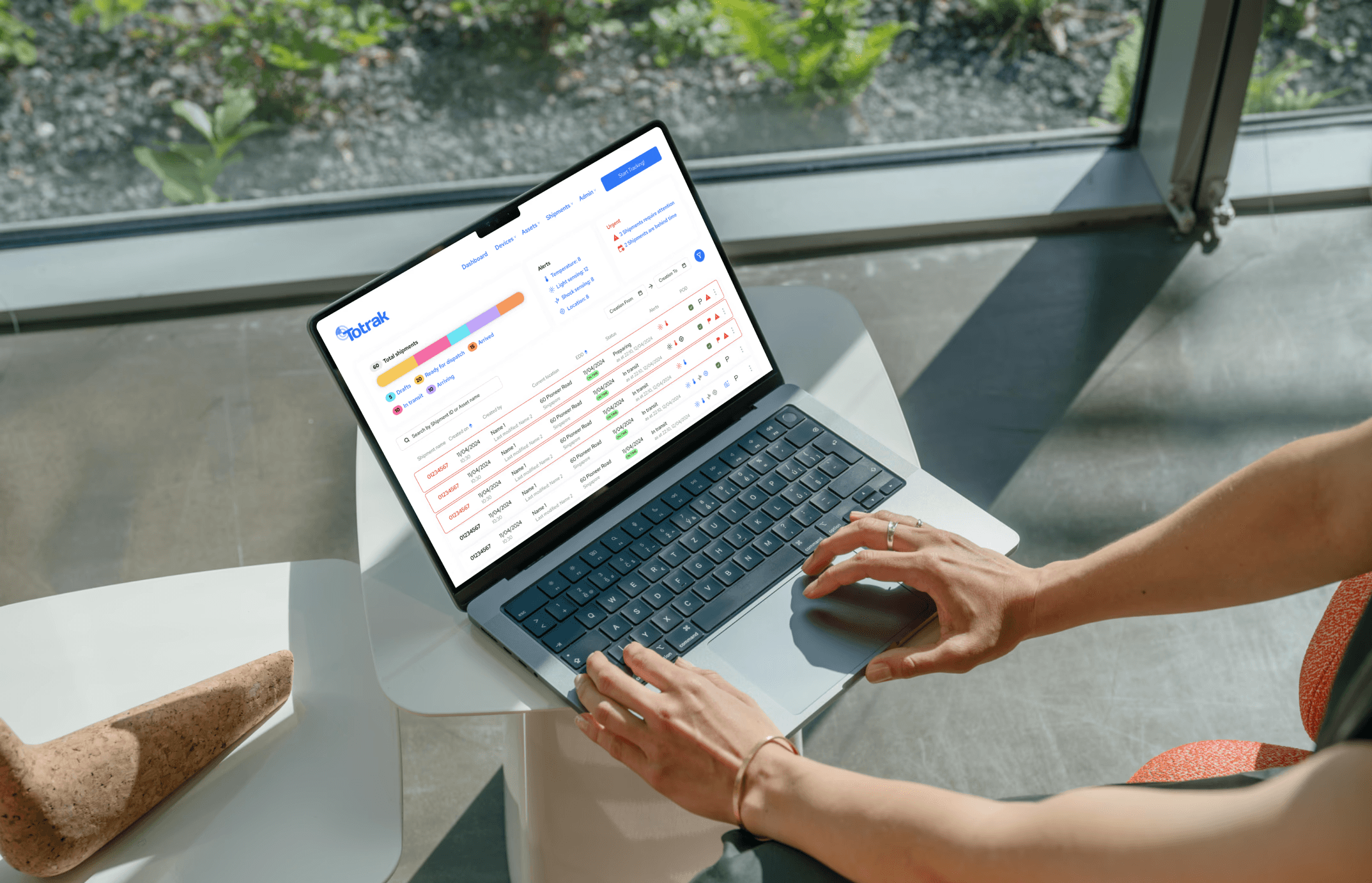
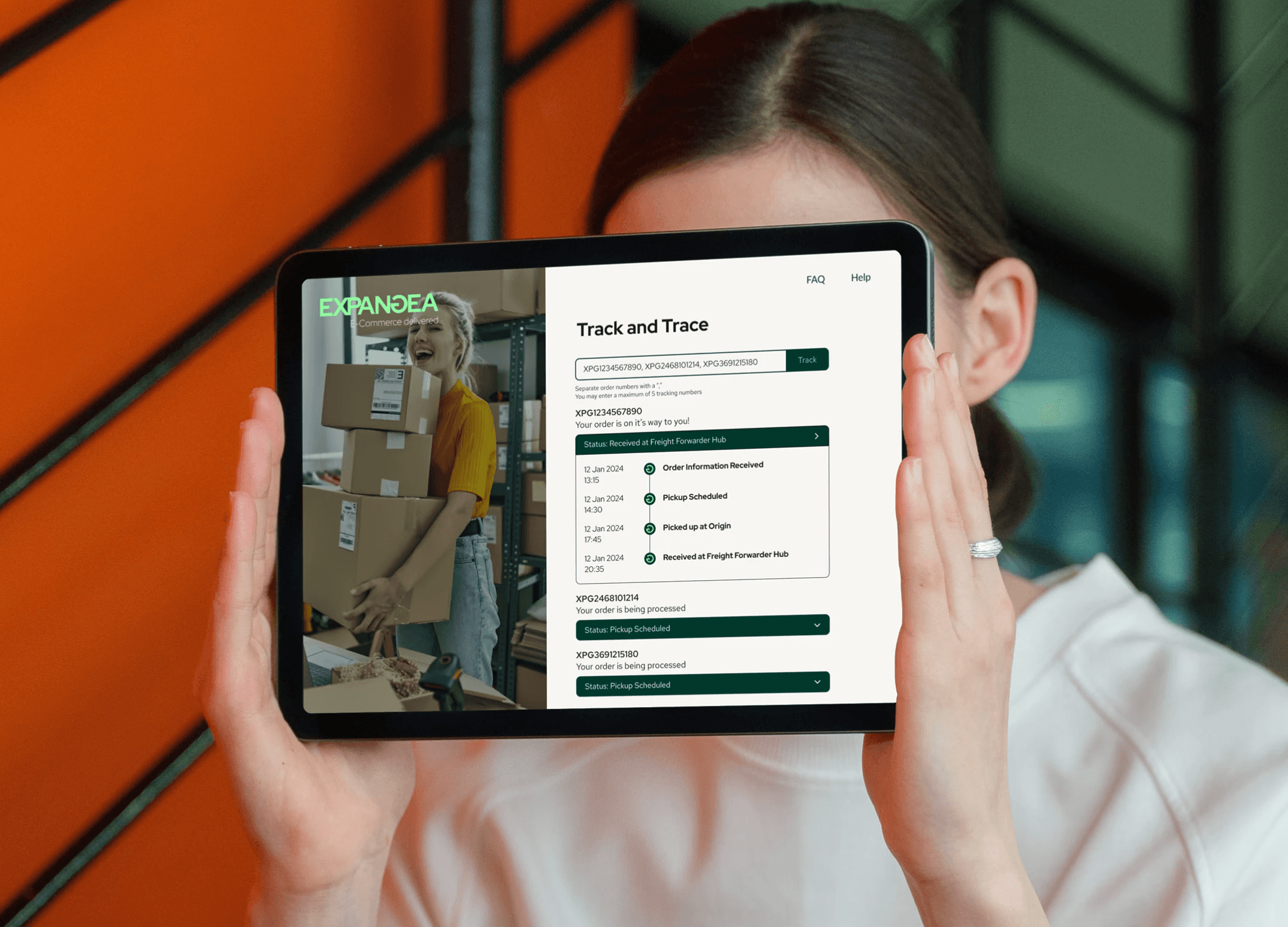
Warehouse Productivity Dashboard
🧠 Problem
Limited visibility into transaction status and history
Discrepancies caused by inconsistent or incomplete data
Time-consuming reconciliation and investigation workflows
Risk of financial loss due to errors and misalignment
Different teams reviewed transactions in different ways, making it difficult to:
Align on accurate data
Identify issues quickly
Resolve discrepancies efficiently
🎯 goal
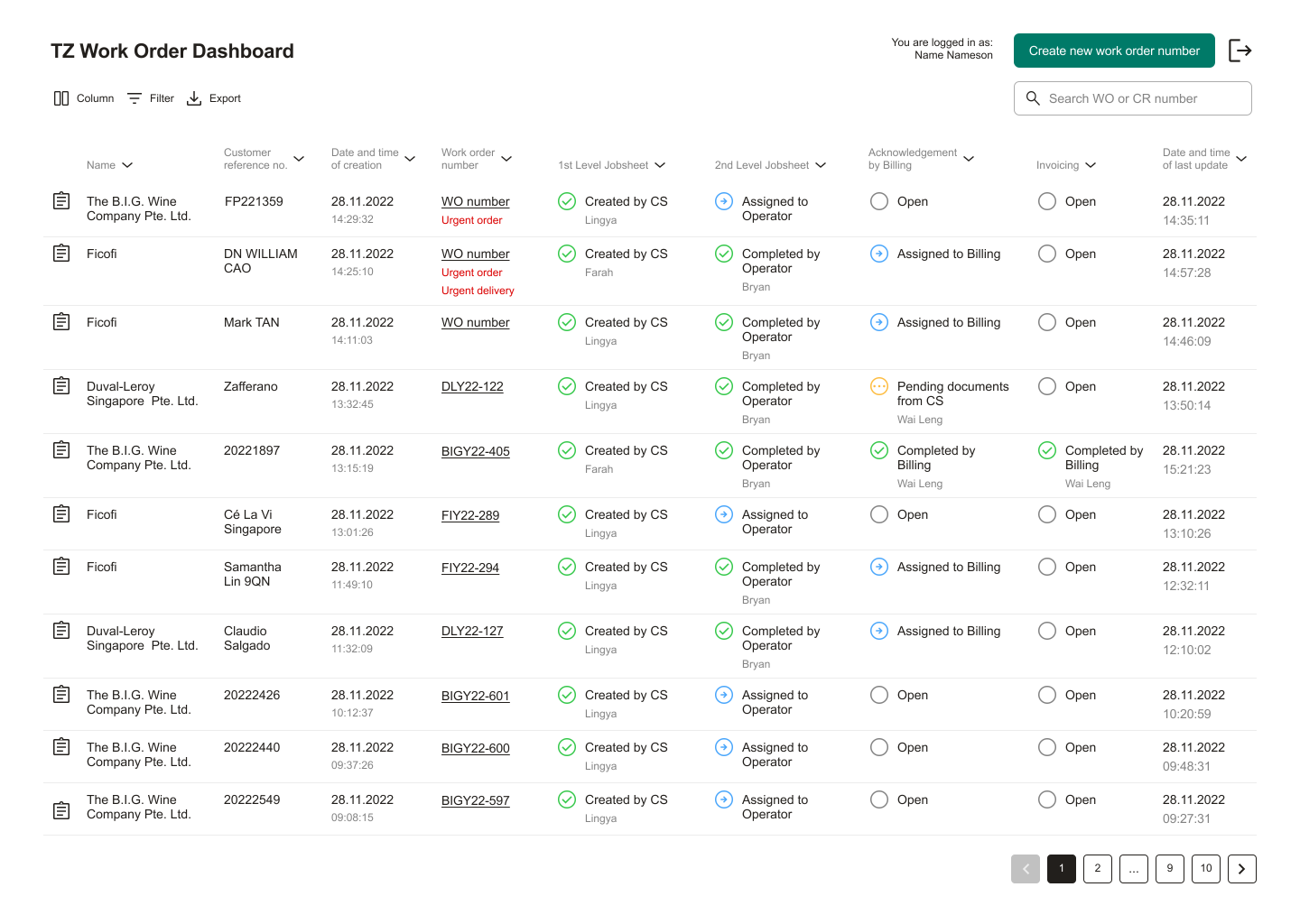
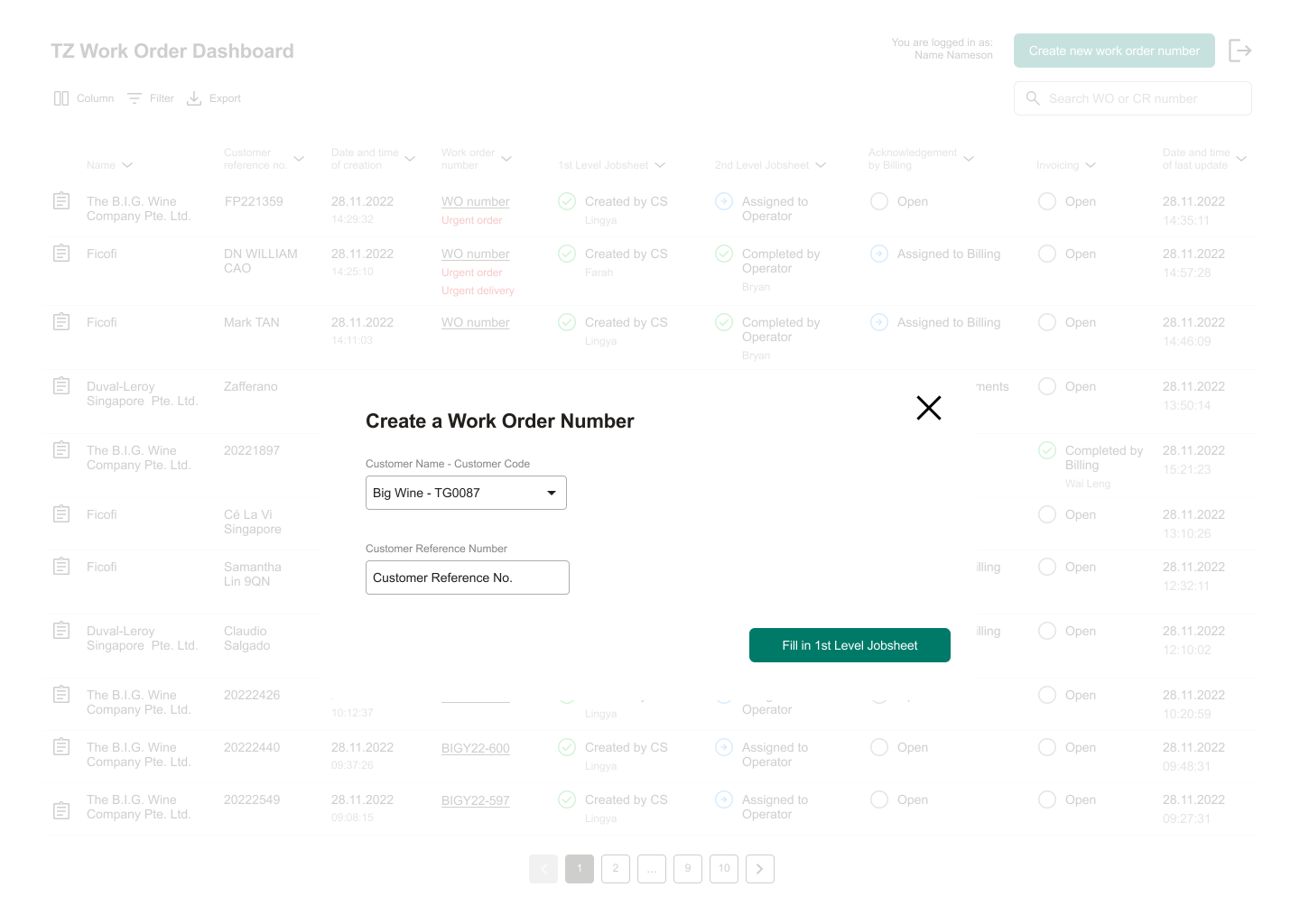
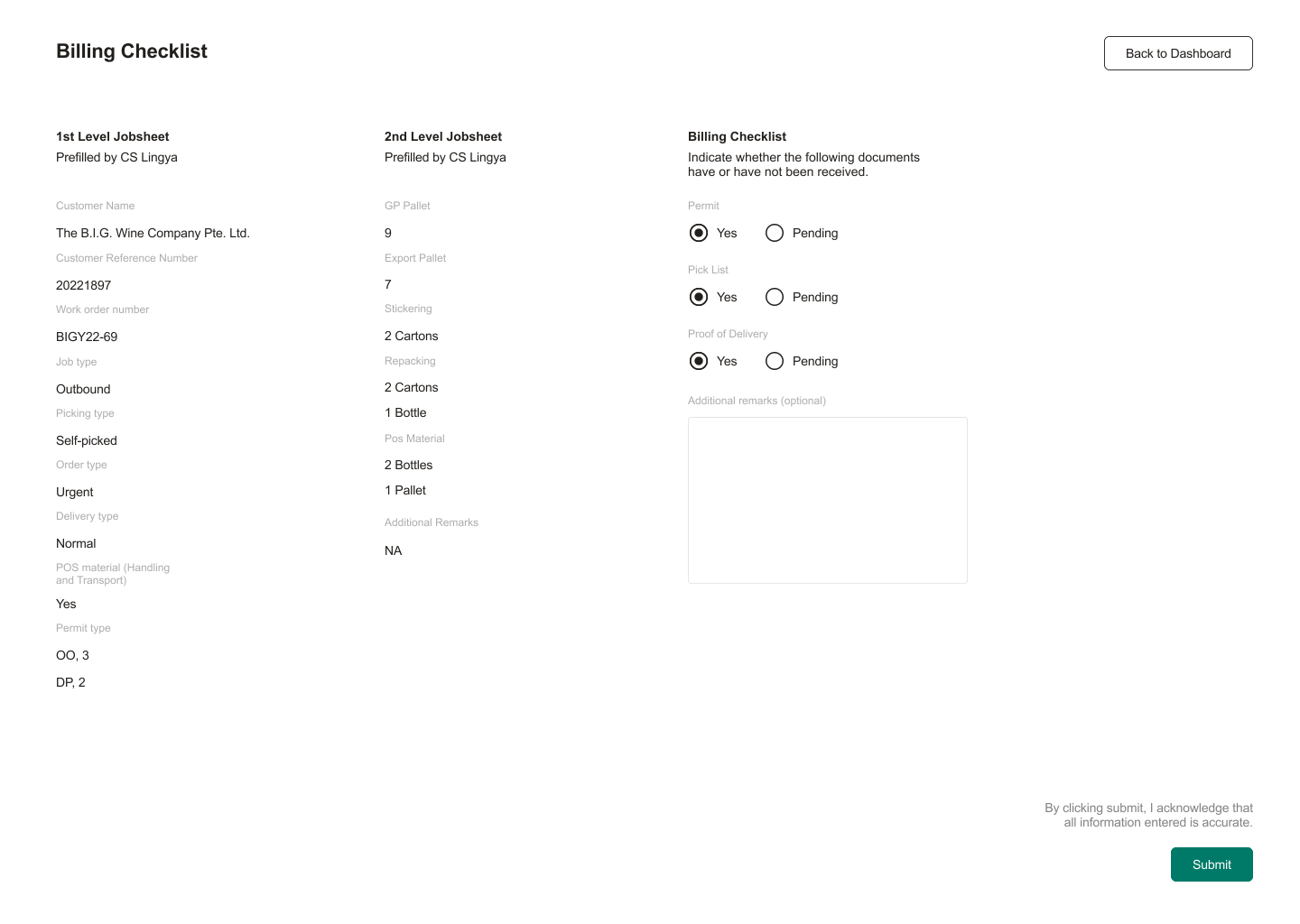
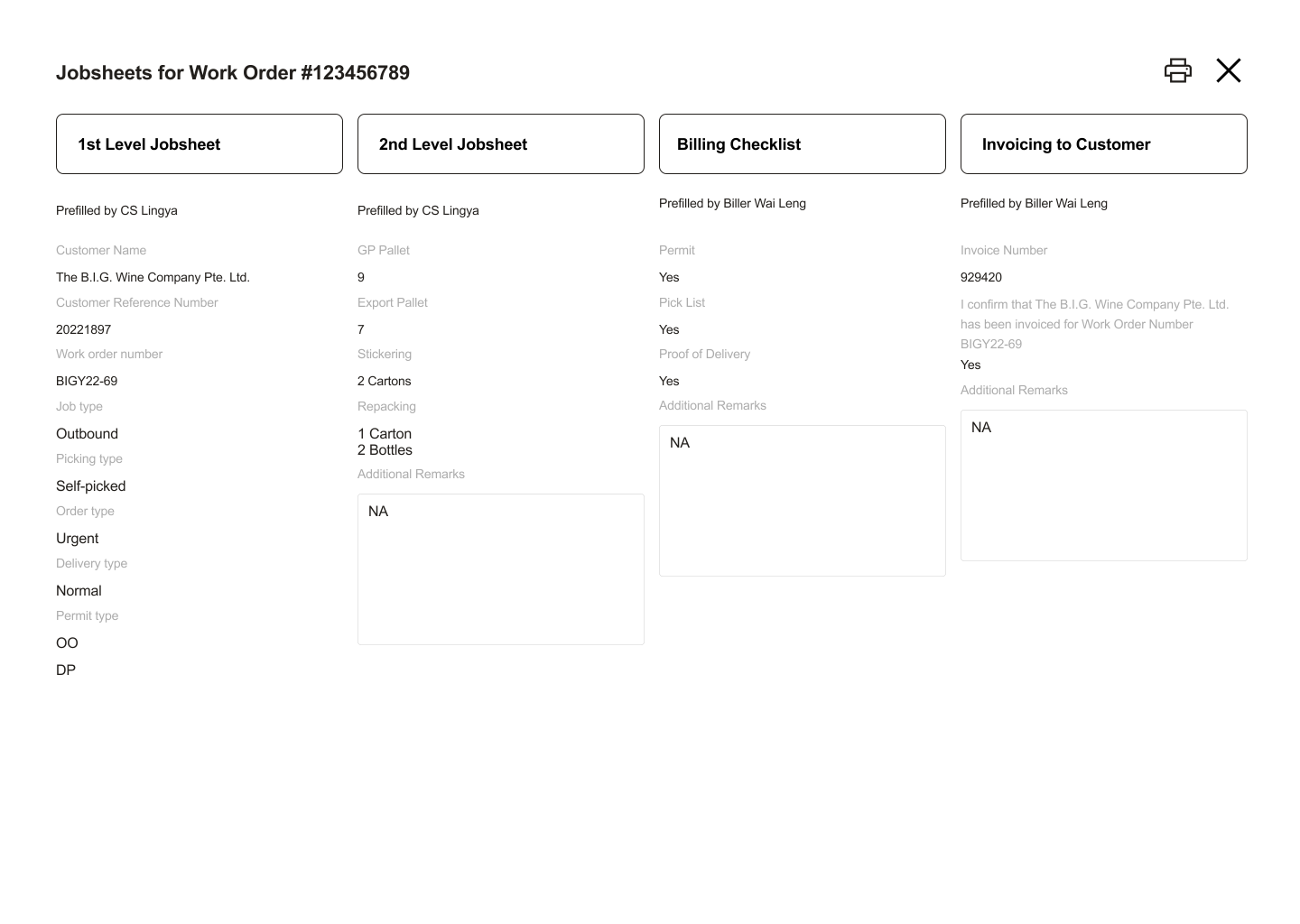
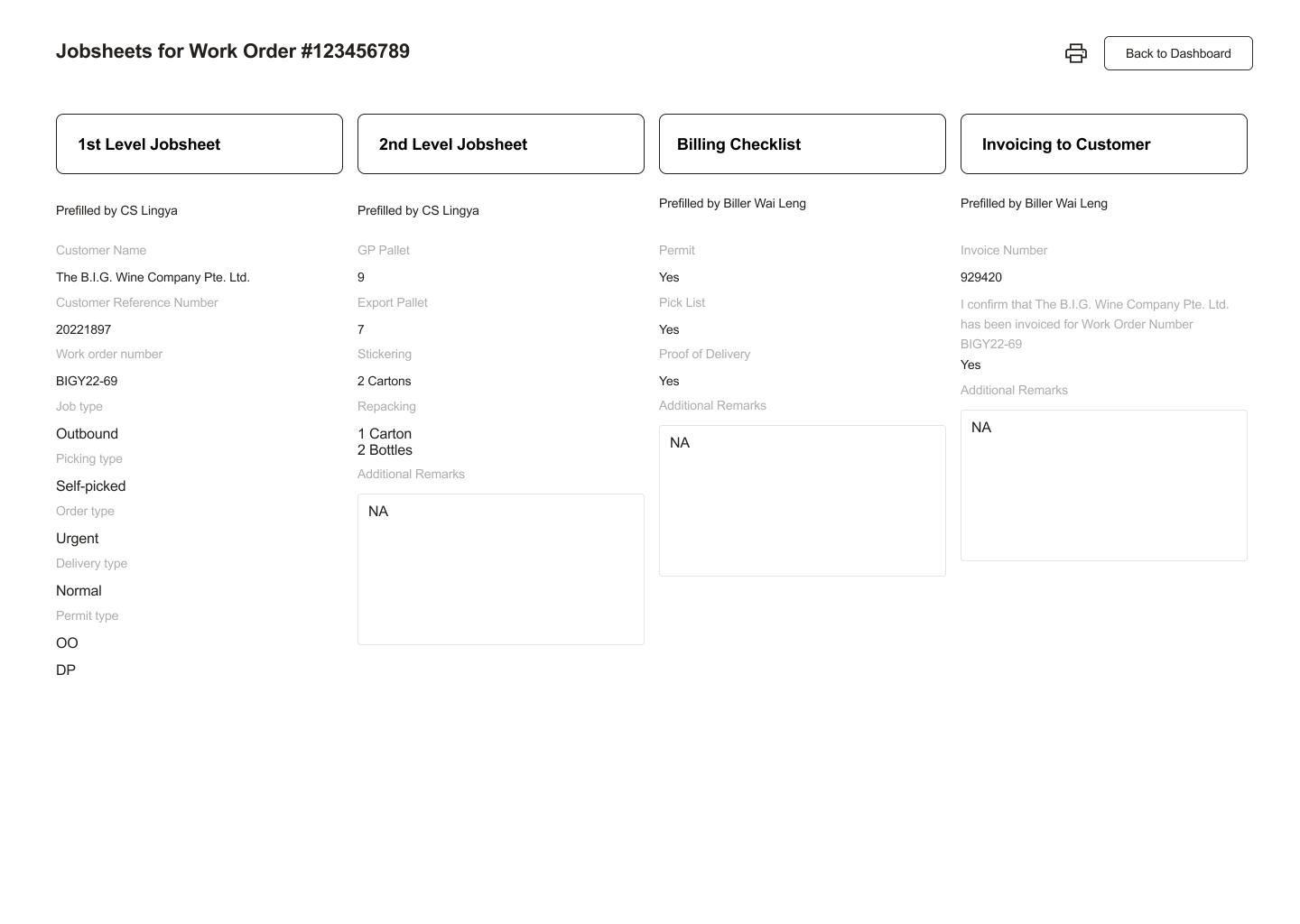
Centralises transaction data into a single source of truth
Improves visibility across stakeholders, finance, and billing teams
Supports efficient reconciliation and discrepancy investigation
Reduces risk associated with inconsistent or fragmented data
⚙️ Approach 1
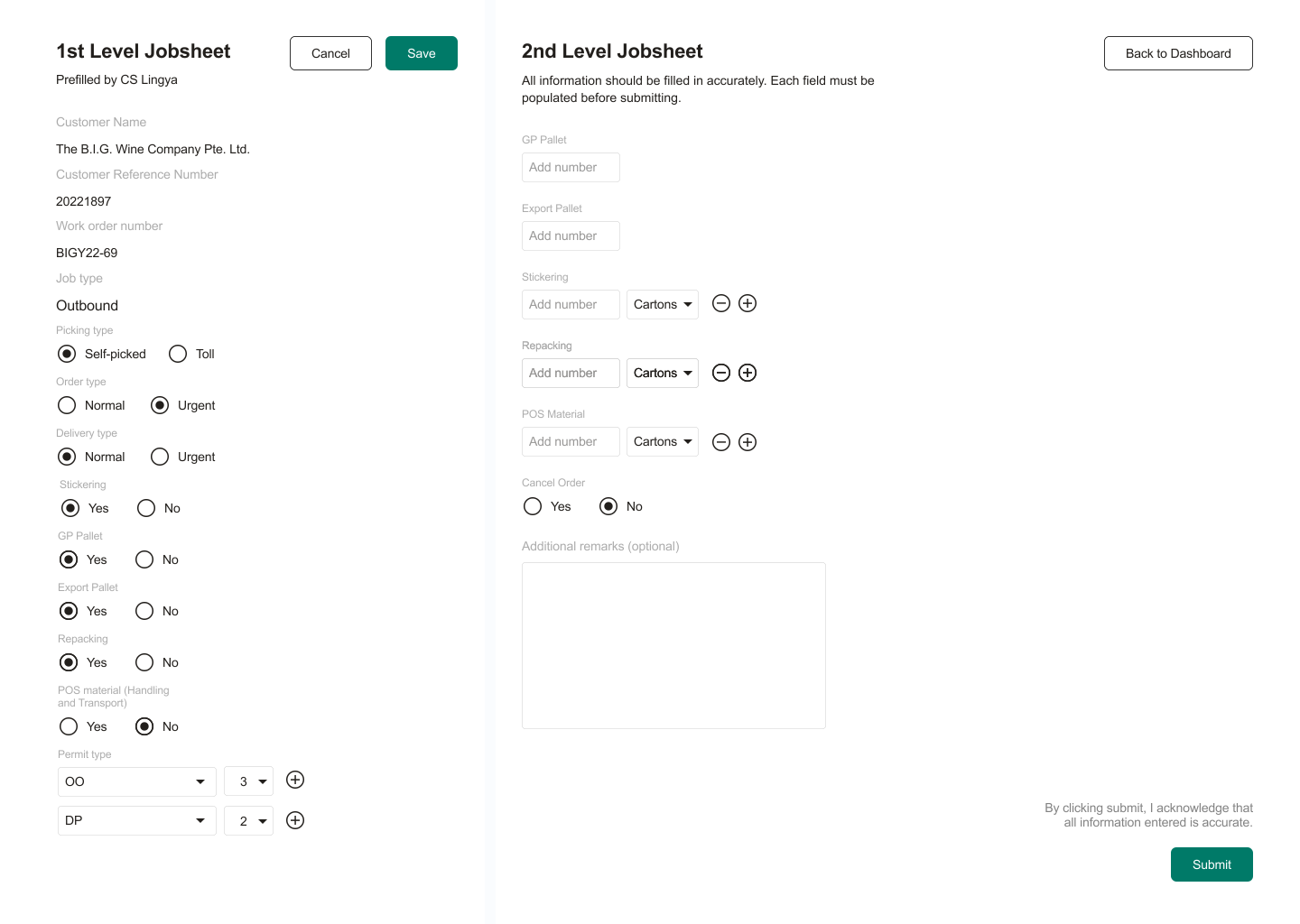
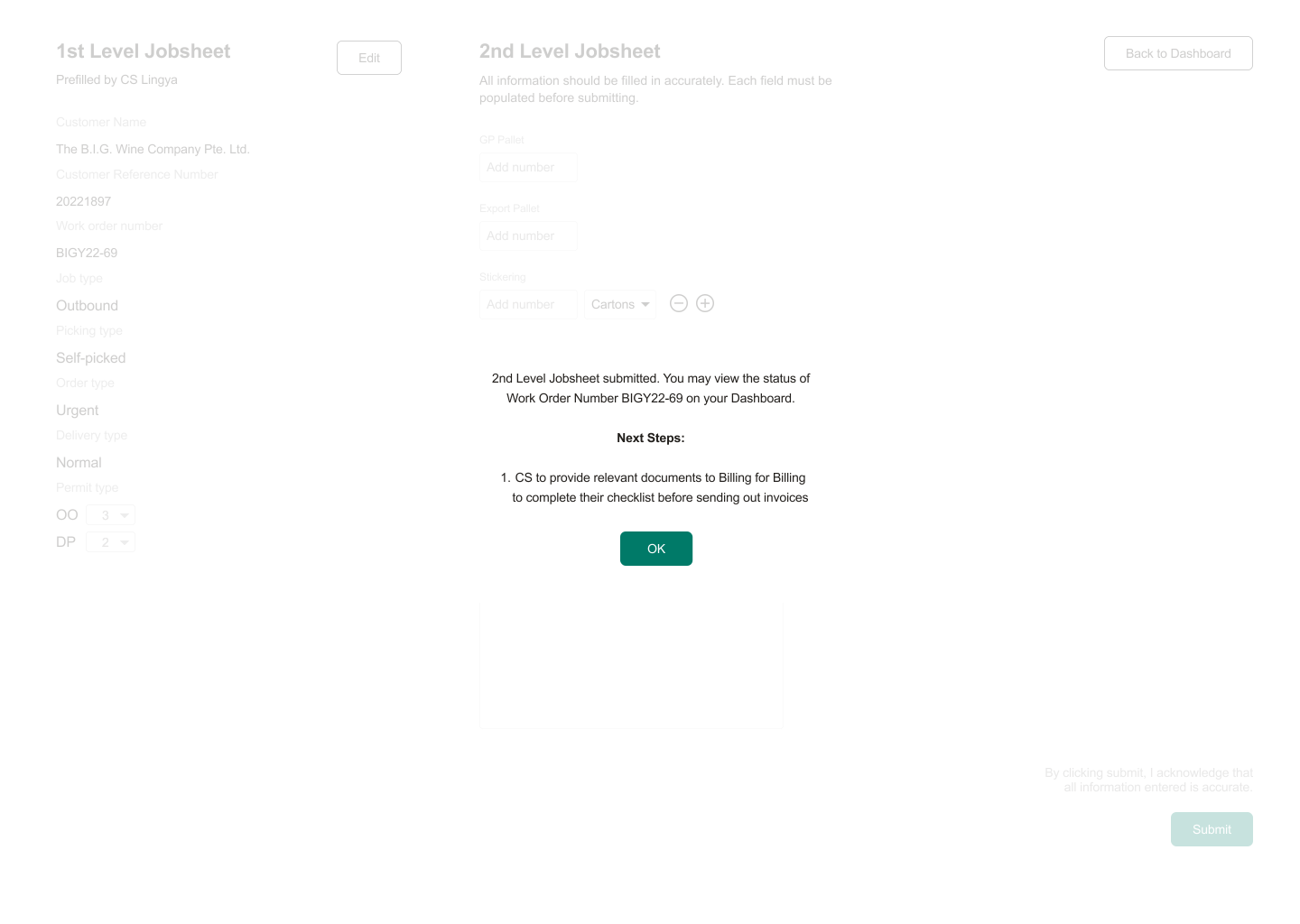
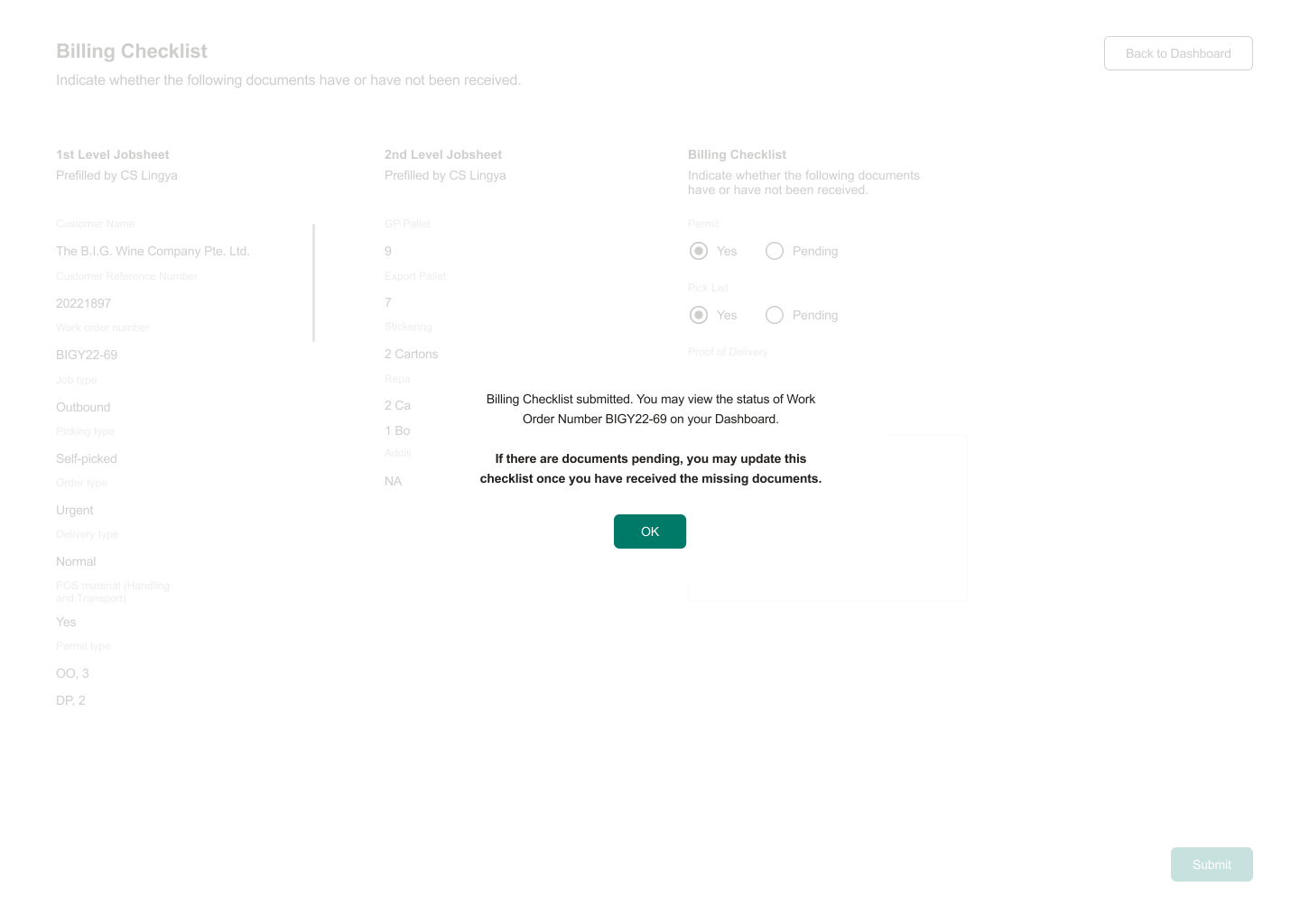
Consolidated transaction data into a unified platform accessible to all stakeholders.
👉 Ensures everyone works from the same source of truth.
⚙️ Approach 2
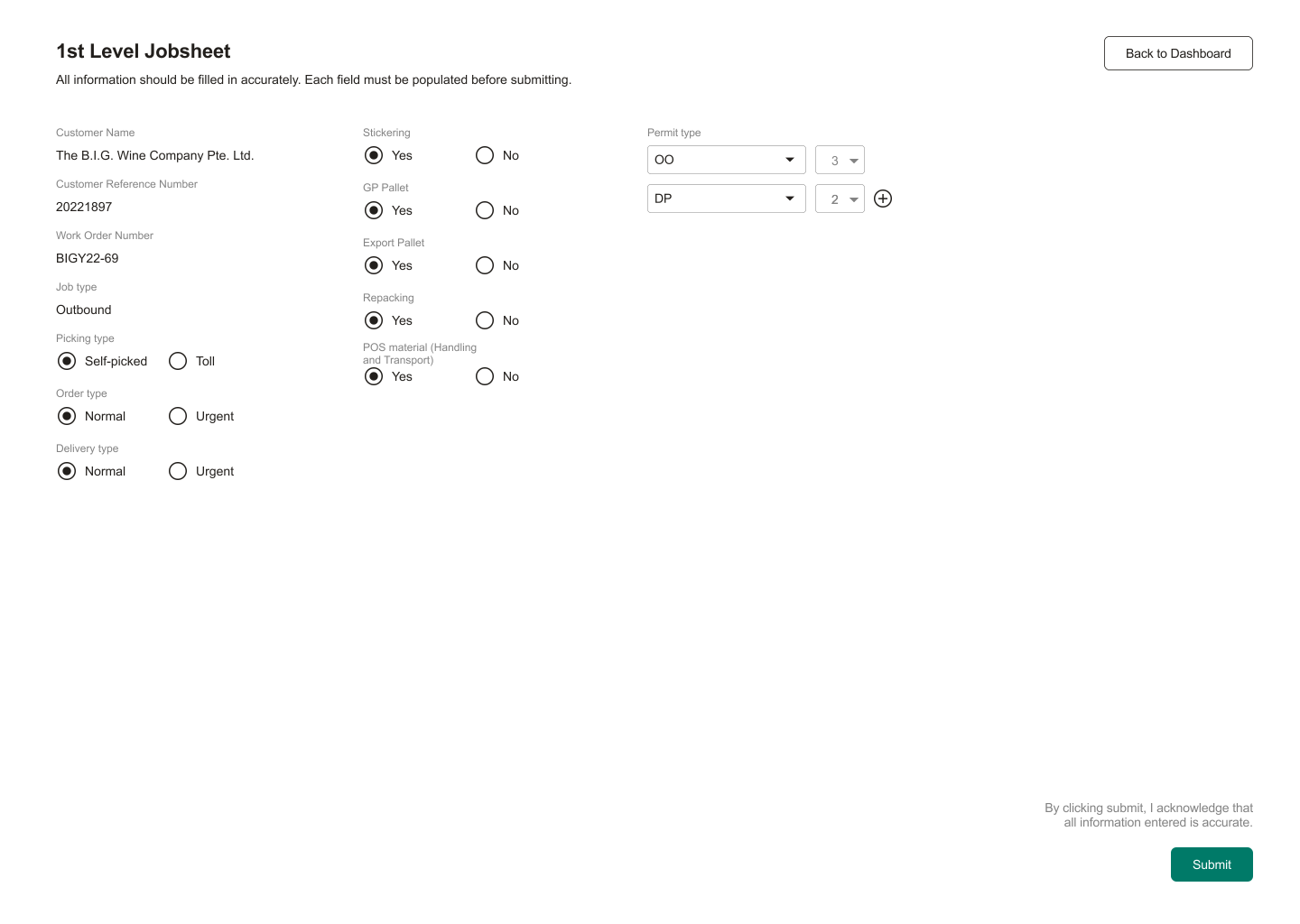
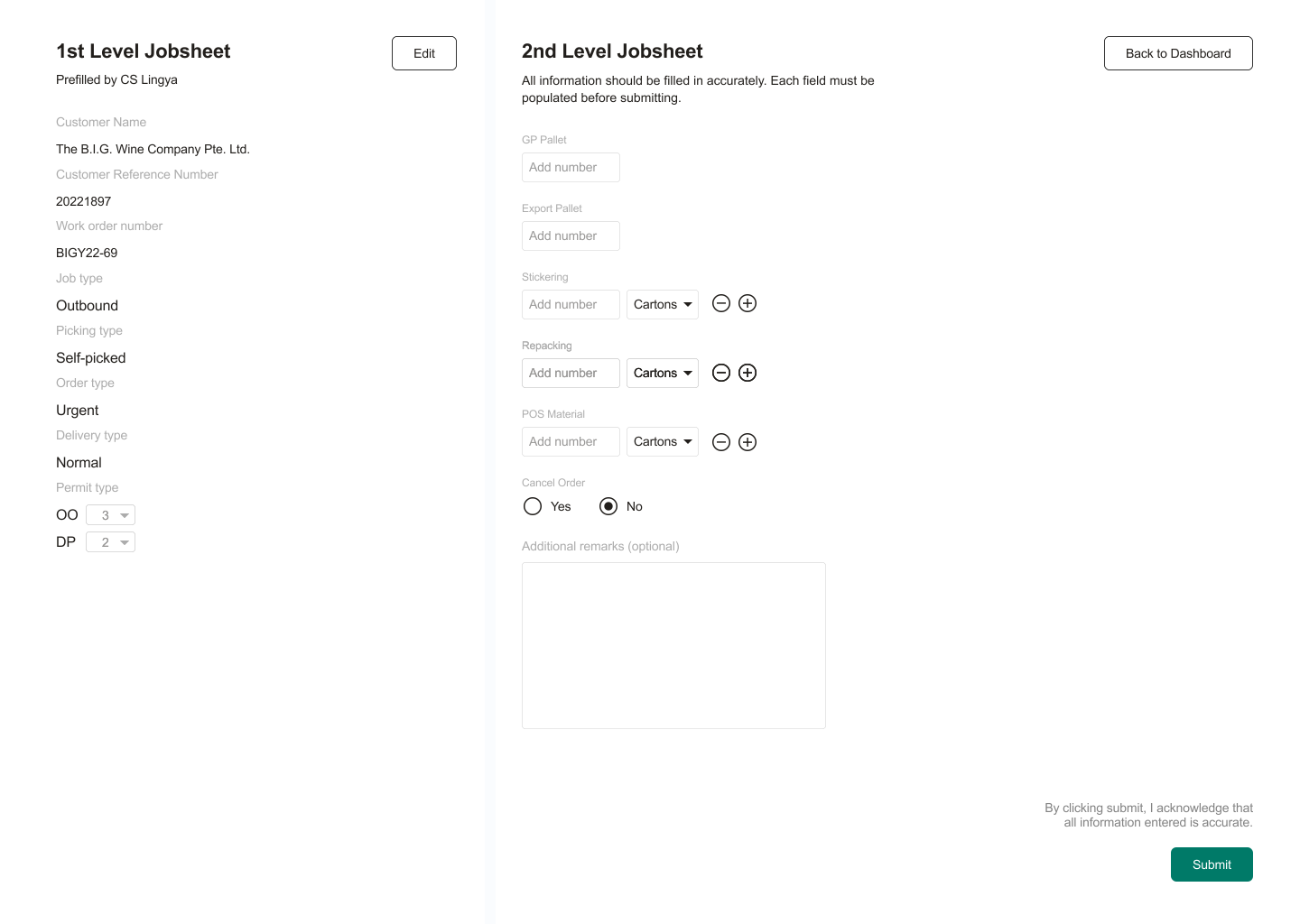
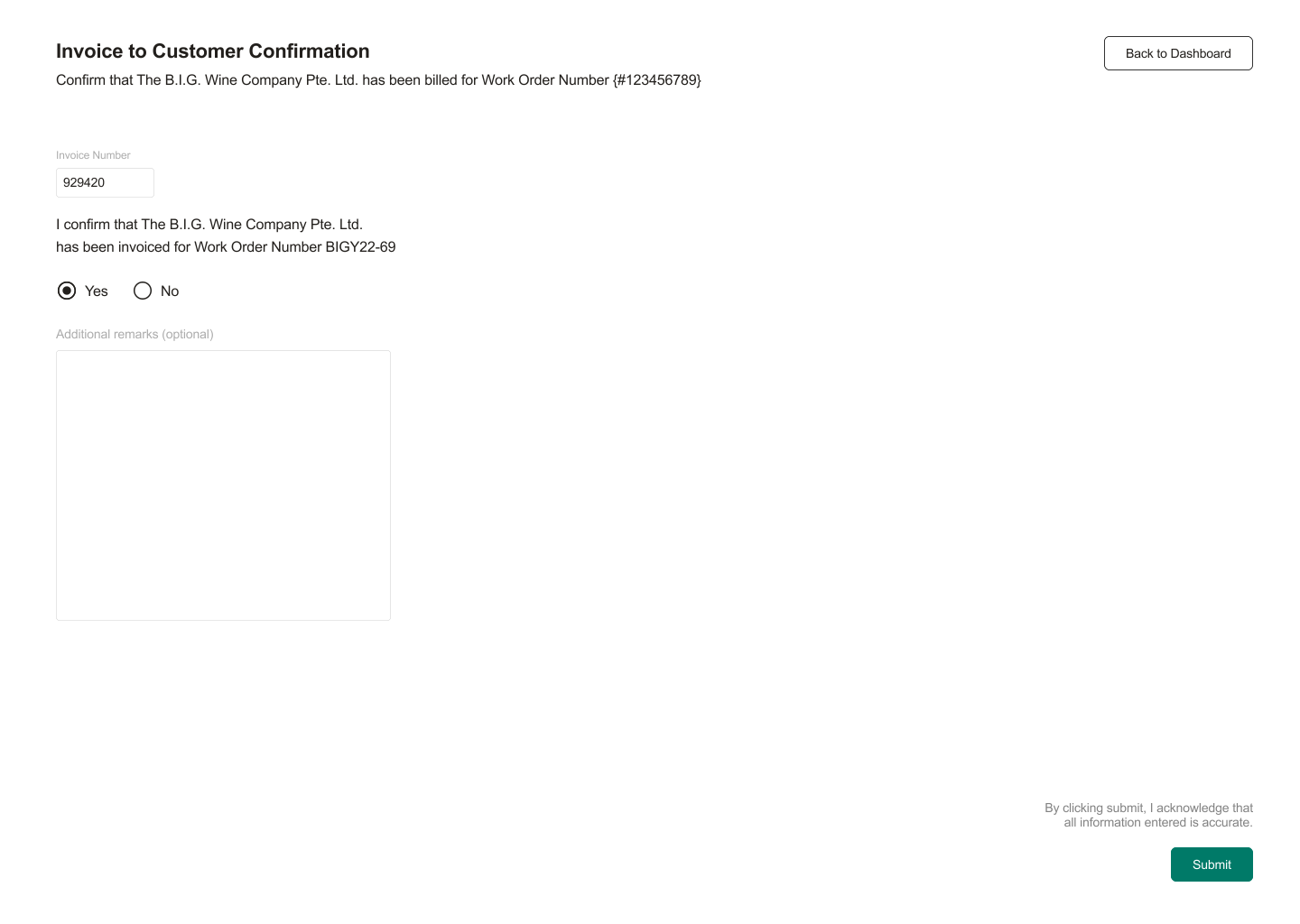
Designed views that align with how finance teams and billers:
Review transactions
Investigate discrepancies
Validate data
👉 Reduces time spent interpreting and cross-checking information.
⚙️ Approach 3
Standardised how transaction data is presented across stakeholders.
👉 Minimises inconsistencies and reduces misalignment between teams.
⚙️ Approach 4
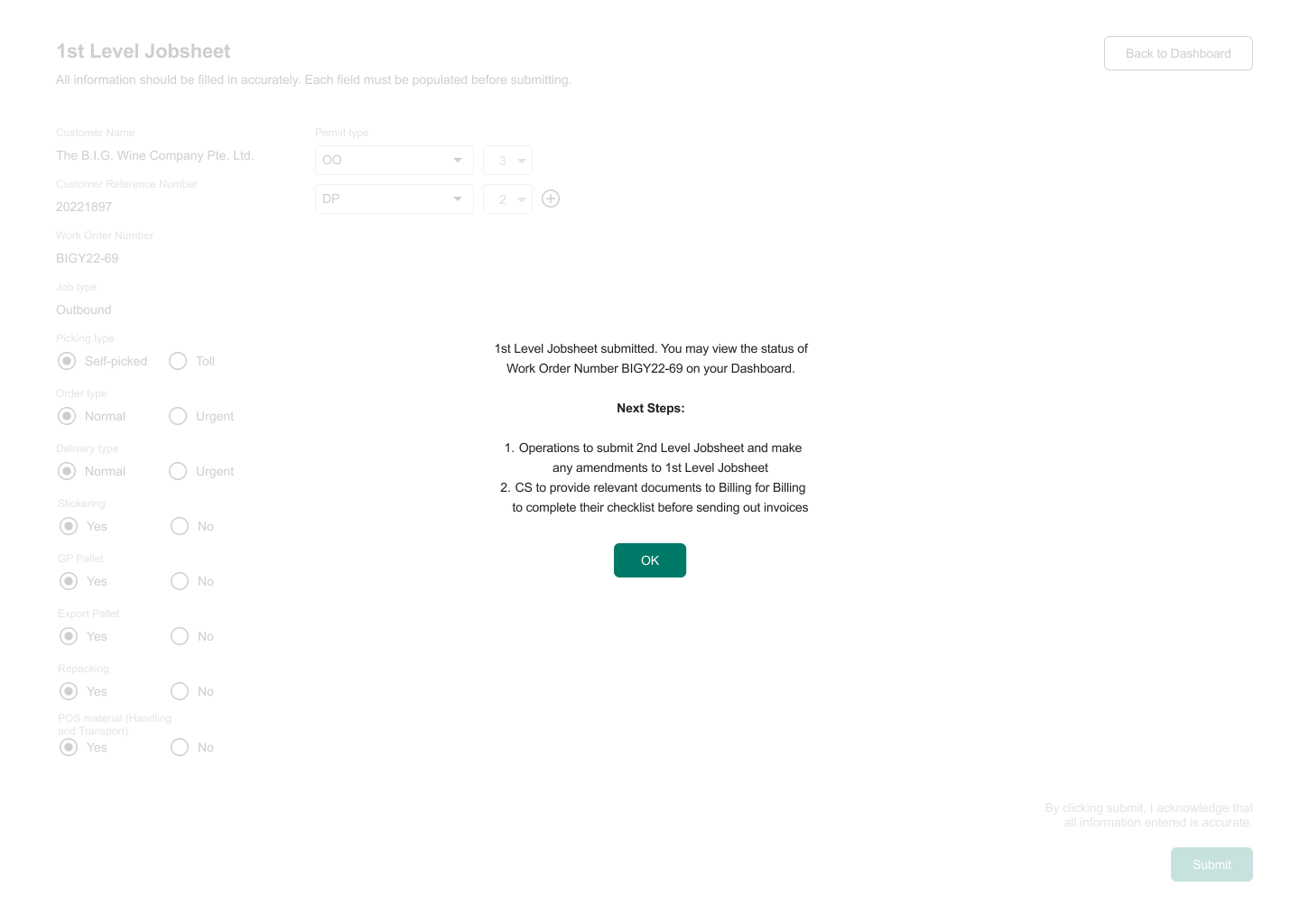
Prioritised clarity and structure in how discrepancies are surfaced and reviewed.
👉 Enables faster identification and resolution of issues.
📦 Outcome
Improved shared visibility into transactions across stakeholders, finance teams, and billers
Reduced discrepancies by standardising how data is viewed and interpreted
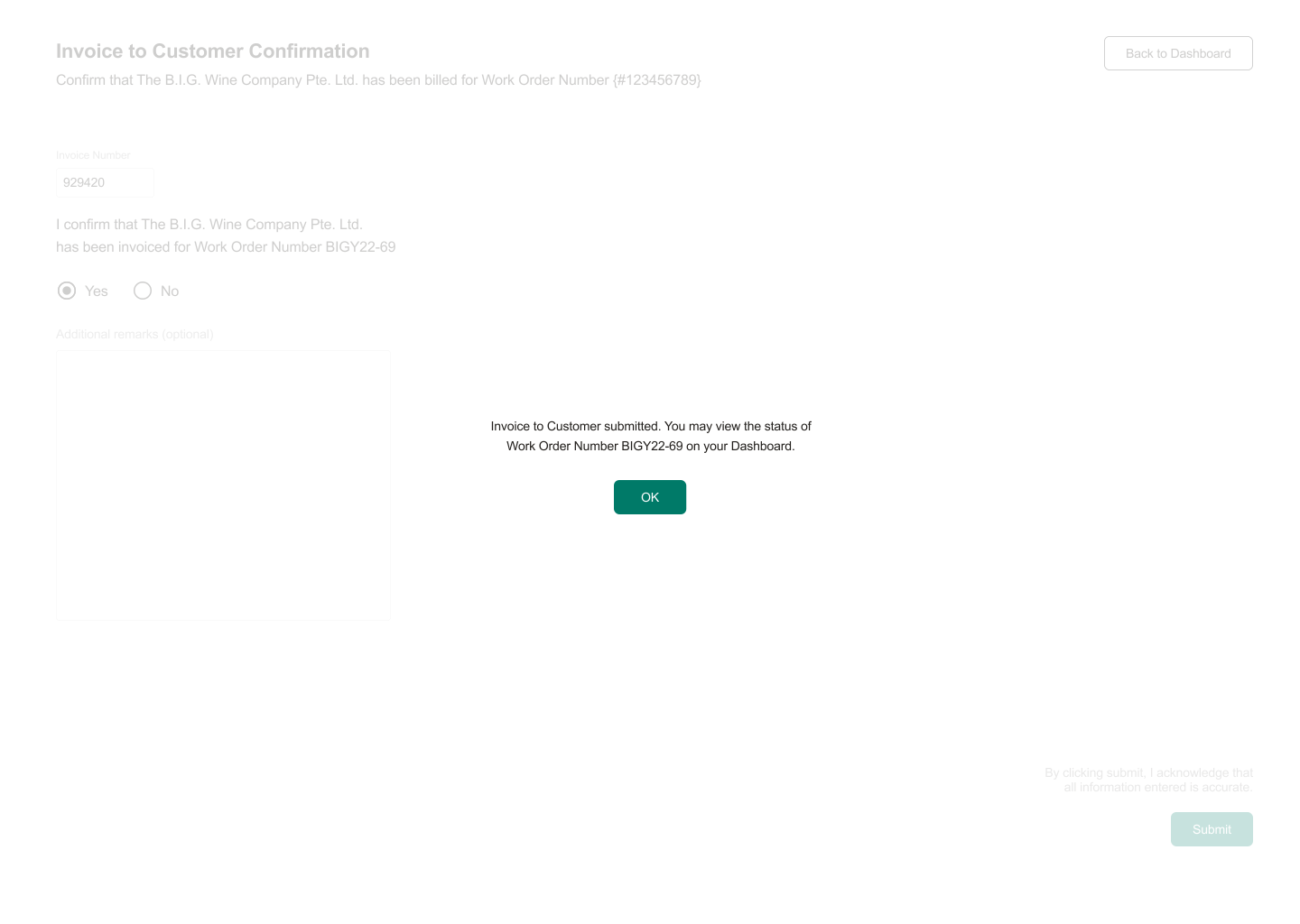
Enabled faster reconciliation and investigation workflows
Lowered risk of financial loss by improving data consistency and alignment
Selected UX Work