Q Business
Managing business finances and expenses across teams lacked visibility and structure, making oversight difficult.
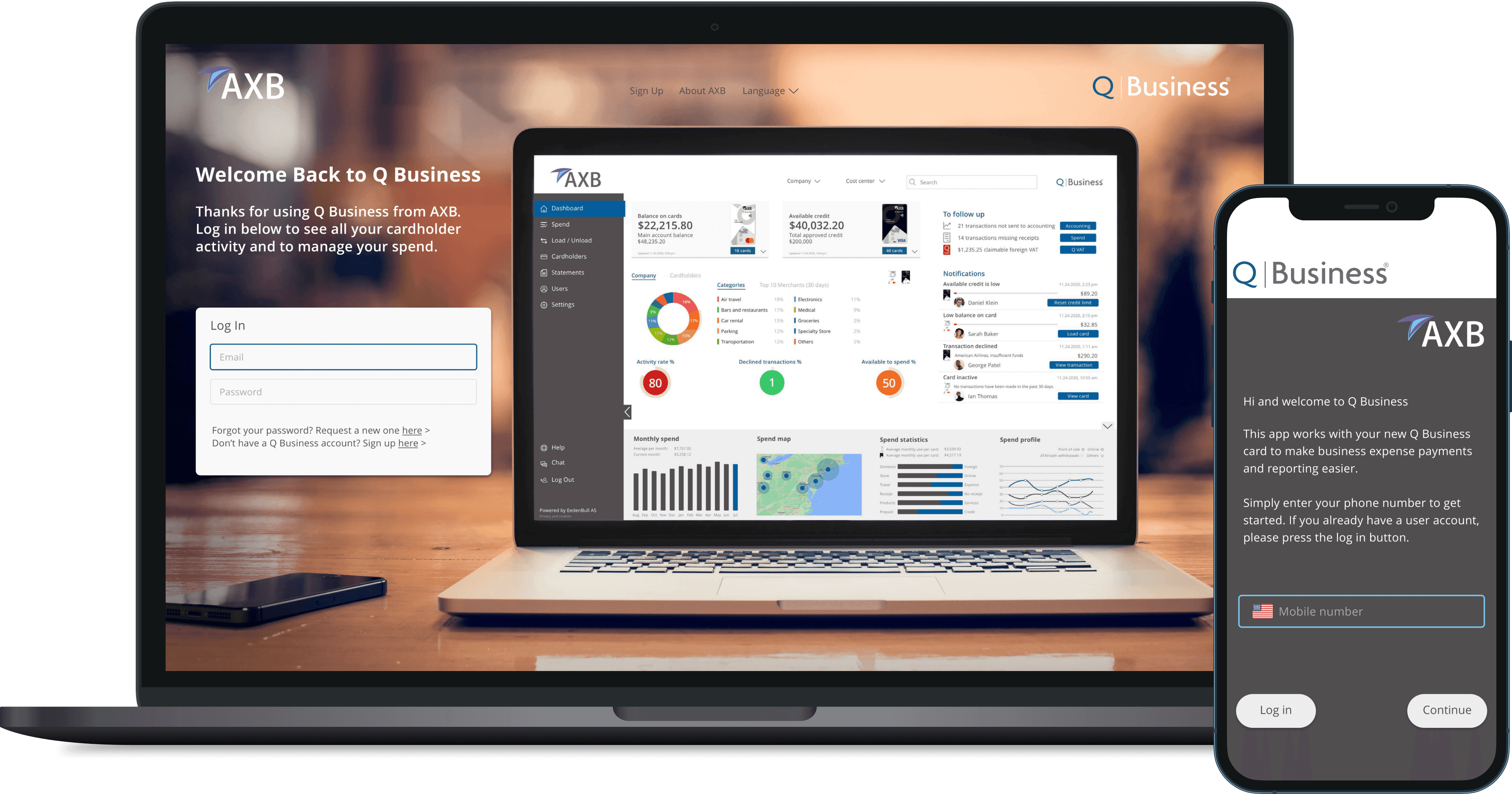
Designed a platform to centralise spend management and give employers clearer control across web and mobile.
Built to replace fragmented expense processes with a single, structured system.
Managing business finances and expenses across teams lacked visibility and structure, making oversight difficult.
Q Business is a platform designed to centralise spend management and give employers clearer control across web and mobile.
Built to replace fragmented expense processes with a single, structured system.
🧠 Problem
Business expense management relied on disconnected tools and manual processes, leading to:
Business expense management relied on disconnected tools and manual processes, leading to:
Unlimited visibility into employee spending
Difficulty tracking and controlling expenses across teams
Delays in approvals and reimbursements
Inconsistent processes and lack of standardisation
Employers lacked a clear, real-time view of spending, making cost control inefficient and reactive.
Unlimited visibility into employee spending
Difficulty tracking and controlling expenses across teams
Delays in approvals and reimbursements
Inconsistent processes and lack of standardisation
Employers lacked a clear, real-time view of spending, making cost control inefficient and reactive.
🎯 goal
Design a platform that:
Design a platform that:
Centralises expense tracking into a single system
Improves visibility and control for employers
Simplifies workflows for employees
Supports consistent and scalable processes
Centralises expense tracking into a single system
Improves visibility and control for employers
Simplifies workflows for employees
Supports consistent and scalable processes
⚙️ Approach 1
Centralising expense workflows
Centralising expense workflows
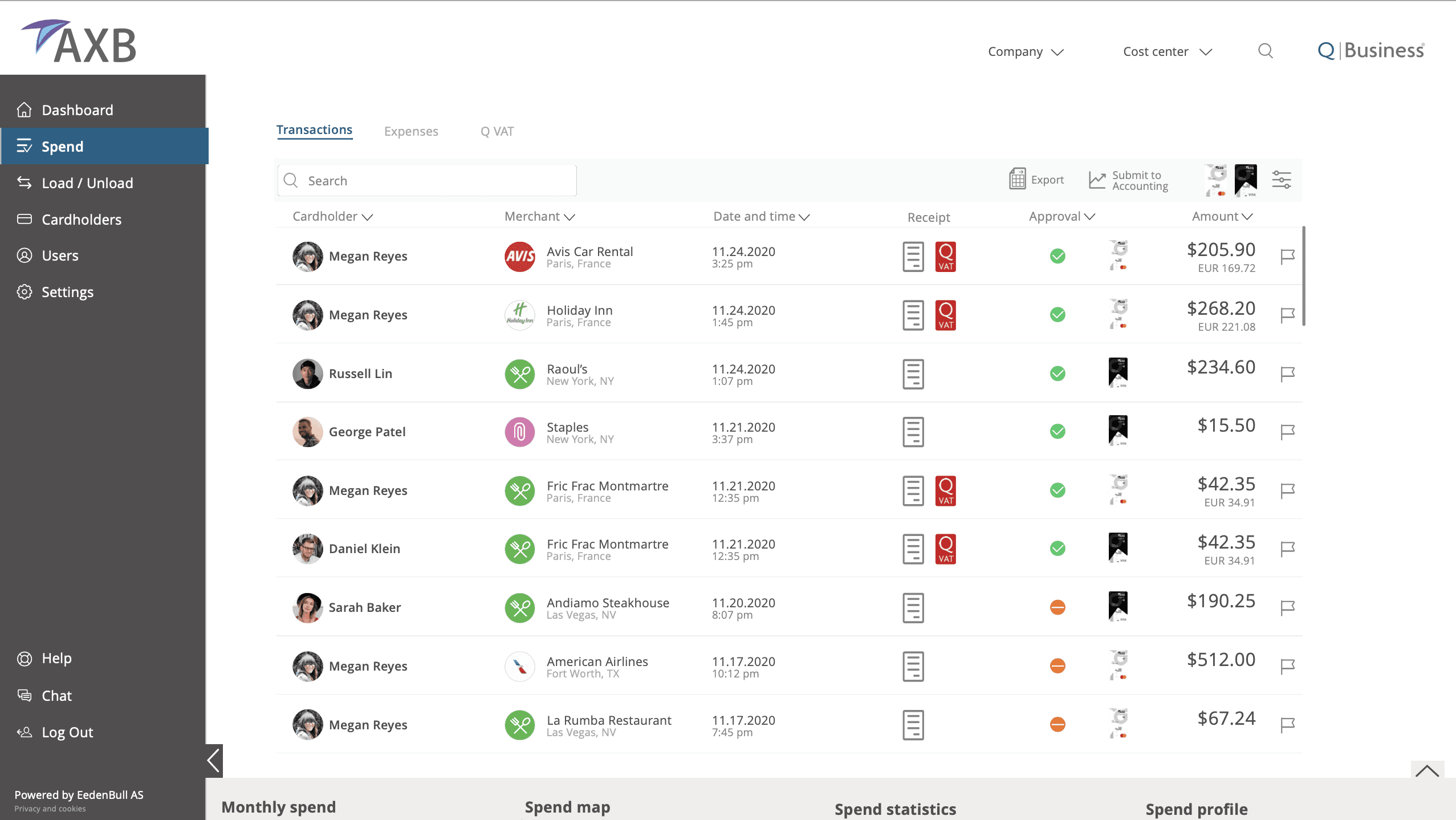
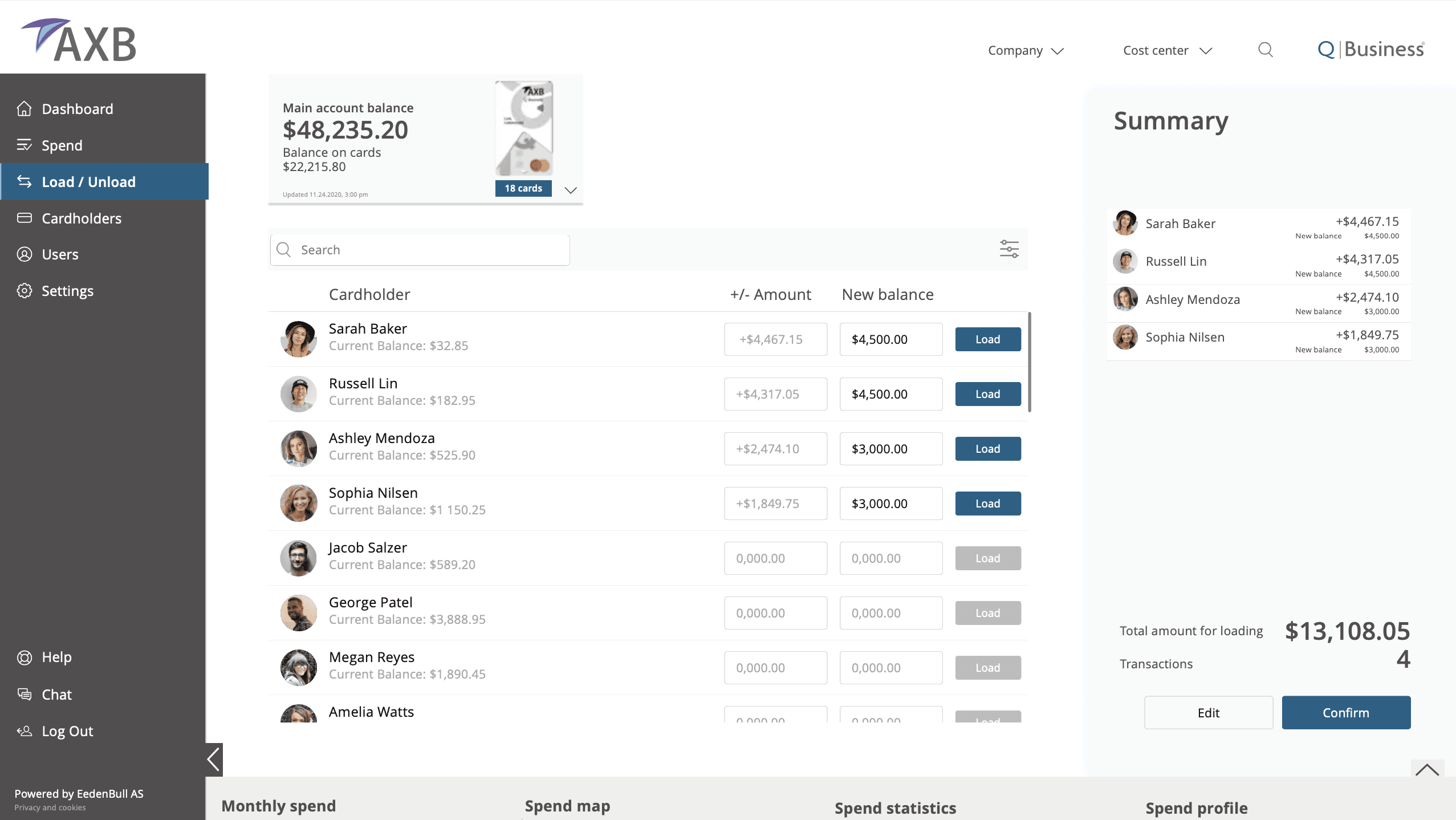
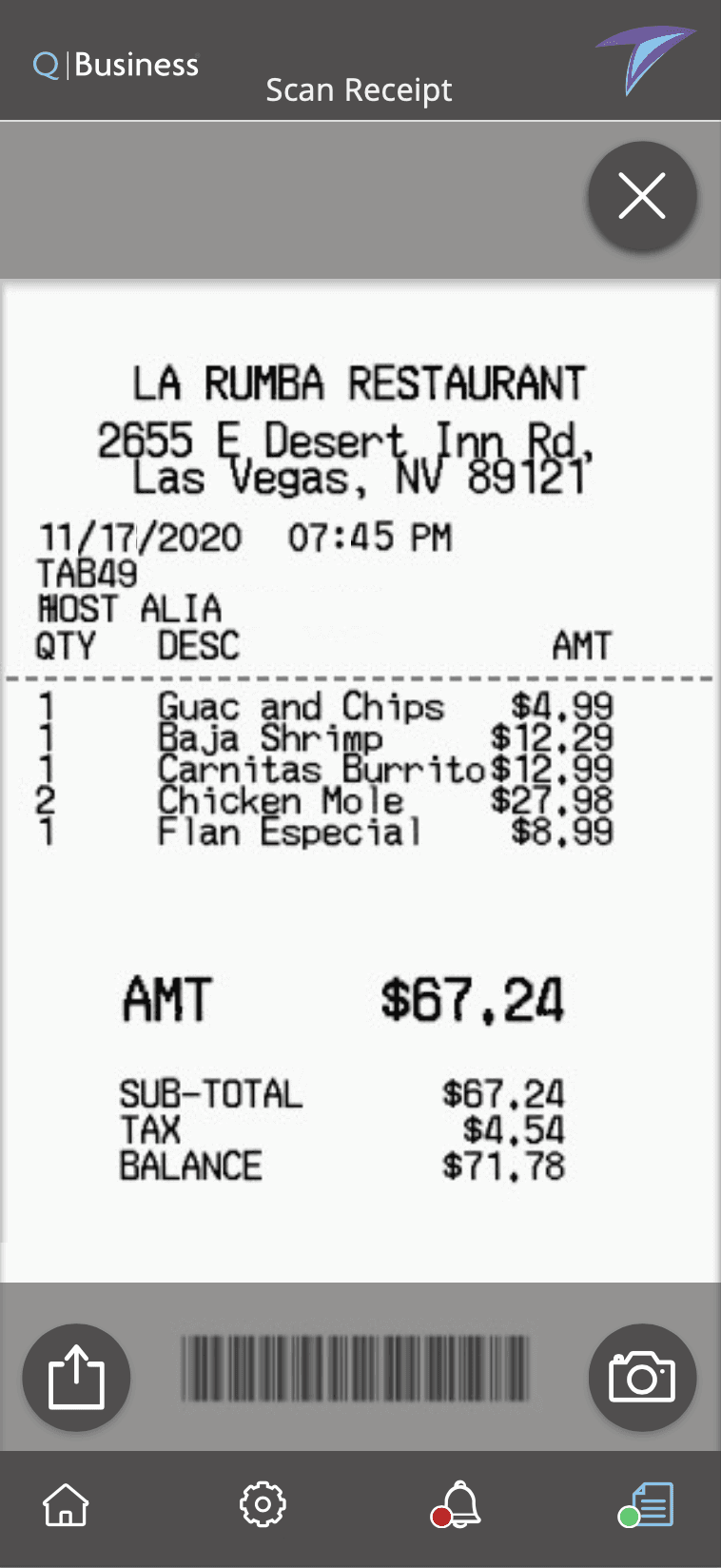
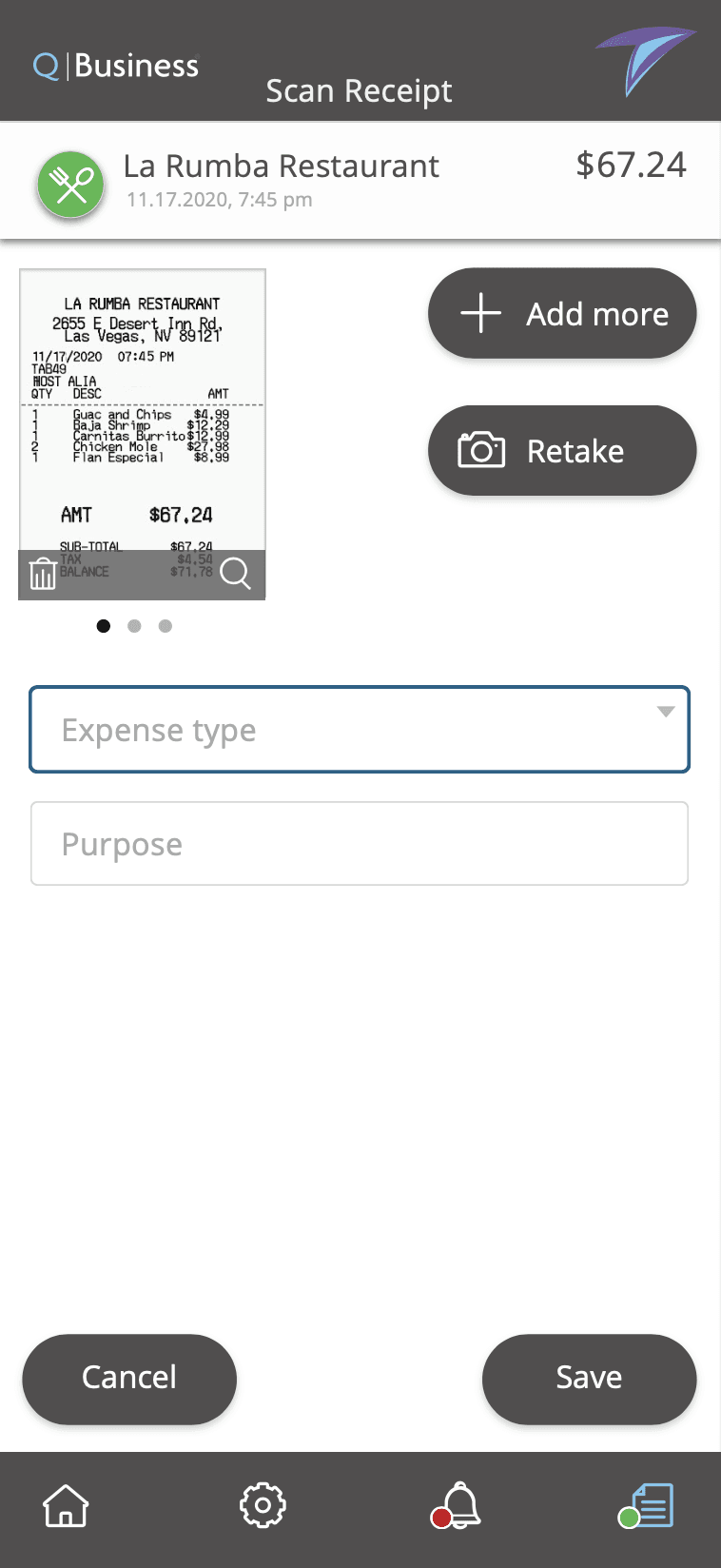
Consolidated expense submission, approvals, and tracking into one platform.
👉 Creates a single source of truth for all expense activity.
Consolidated expense submission, approvals, and tracking into one platform.
👉 Creates a single source of truth for all expense activity.
⚙️ Approach 2
Improving visibility and control
Improving visibility and control
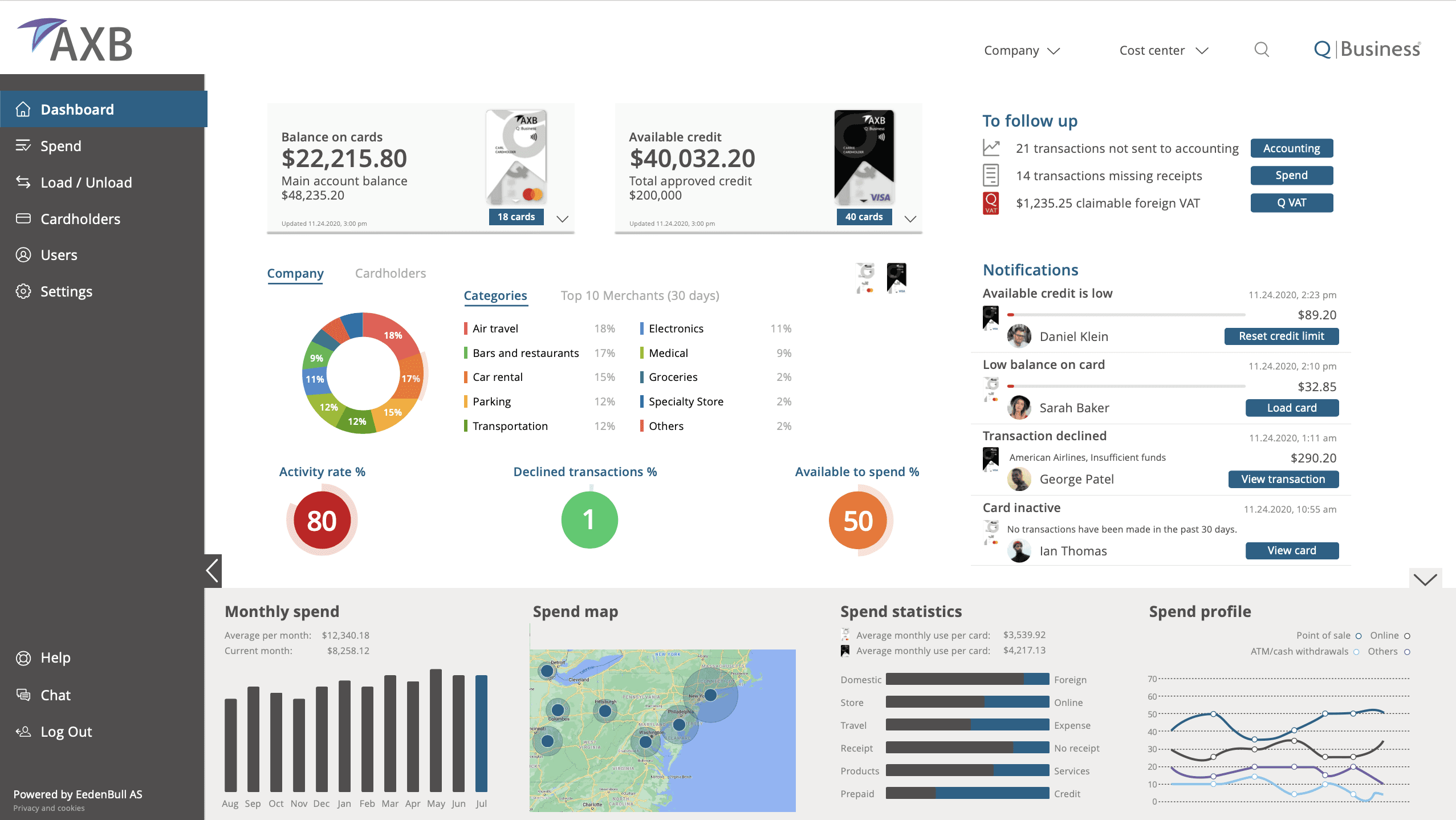
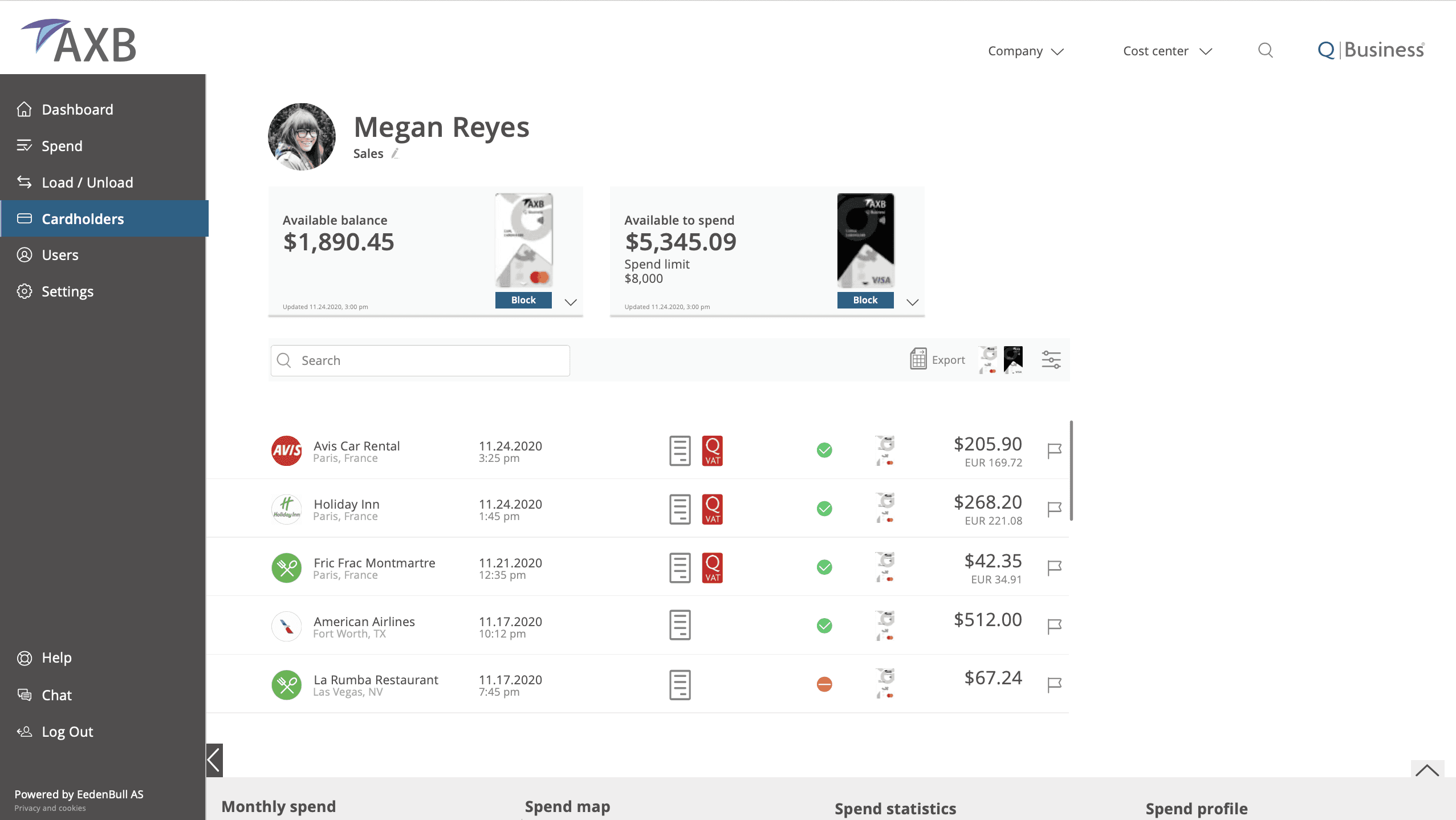
Designed structured views to surface key spending data and provide clear oversight.
👉 Enables faster, more informed decisions.
Designed structured views to surface key spending data and provide clear oversight.
👉 Enables faster, more informed decisions.
⚙️ Approach 3
Simplifying actions across web and mobile
Simplifying actions across web and mobile
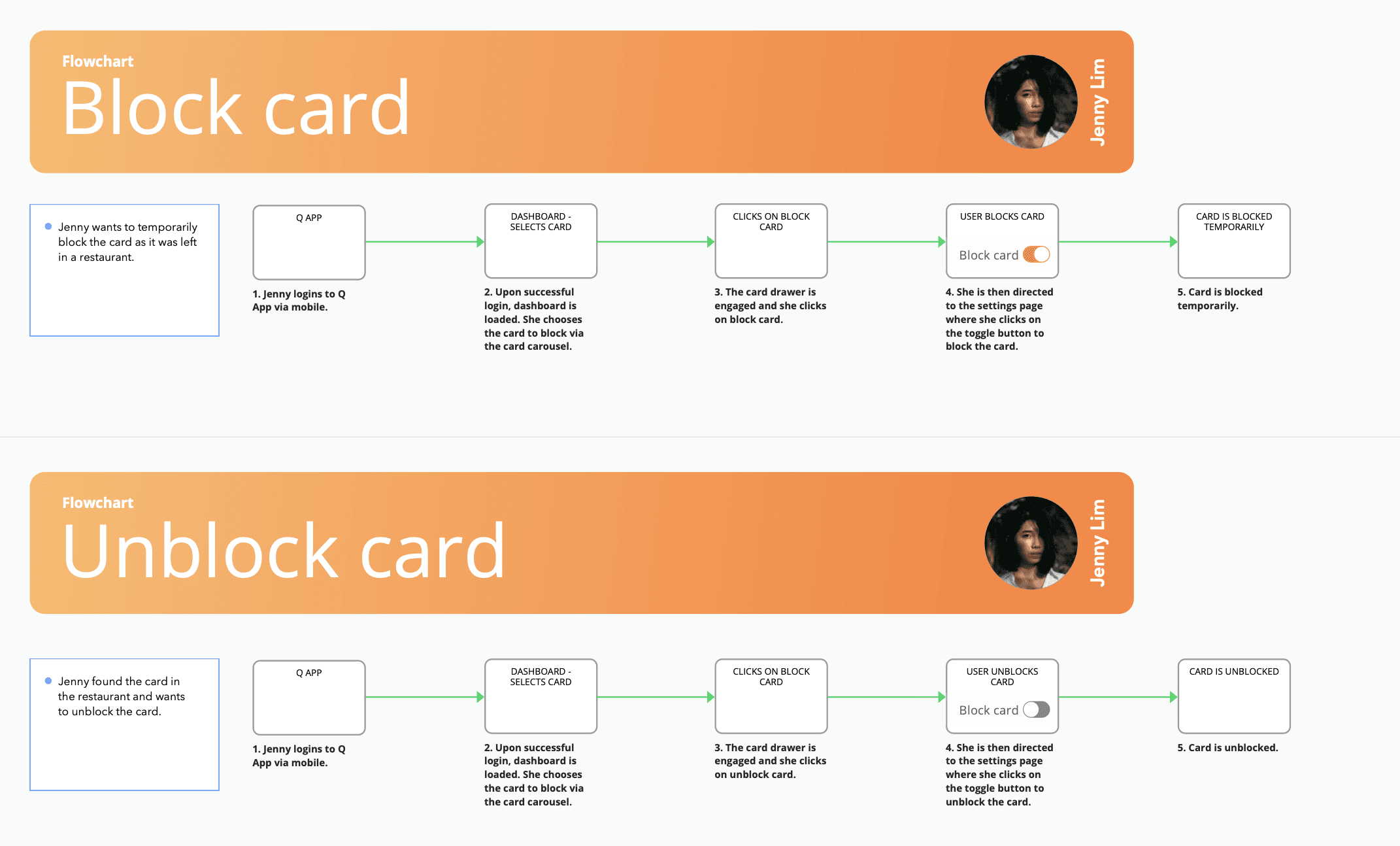
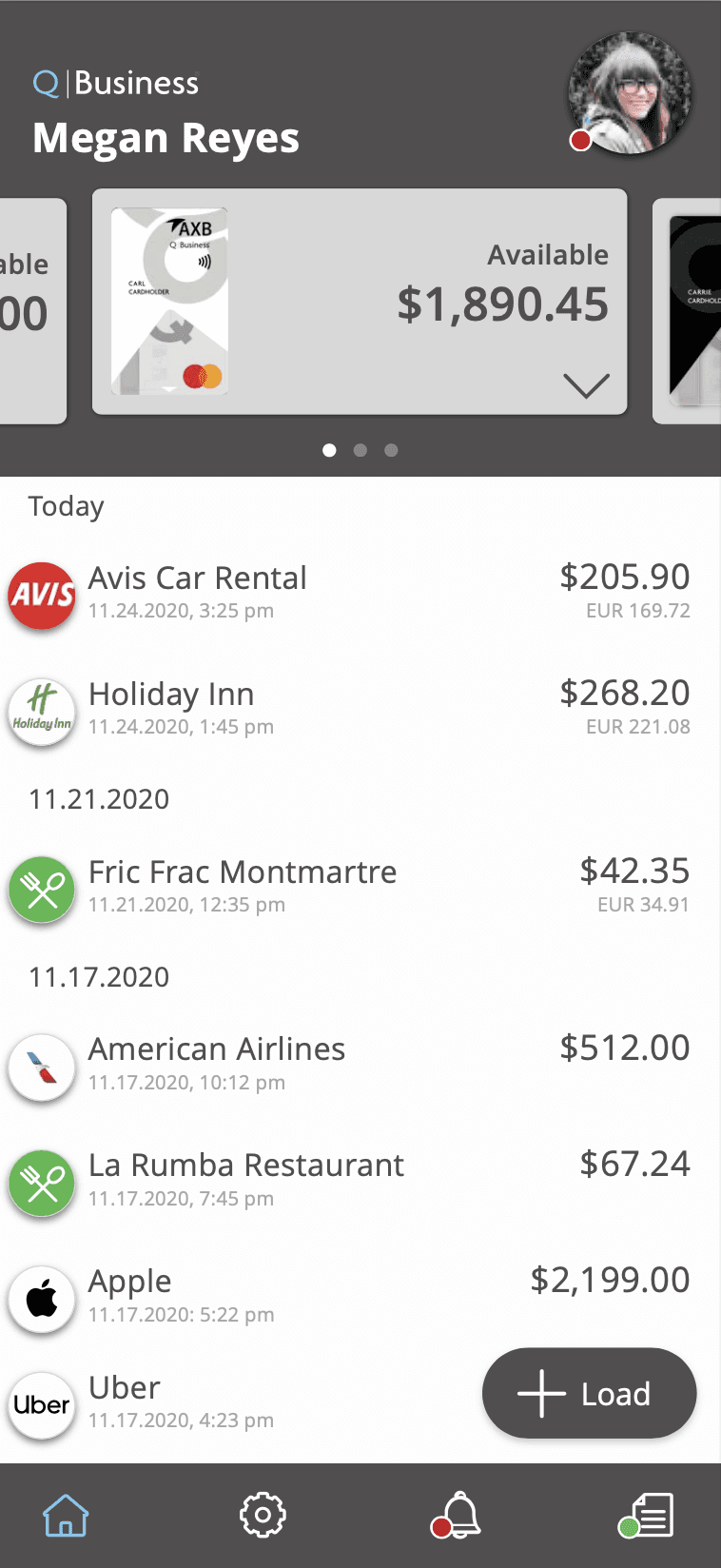
Ensured key tasks like submitting, approving, and tracking expenses could be completed quickly.
👉 Reduces friction and improves adoption.
Ensured key tasks like submitting, approving, and tracking expenses could be completed quickly.
👉 Reduces friction and improves adoption.
⚙️ Approach 4
Standardising processes
Standardising processes
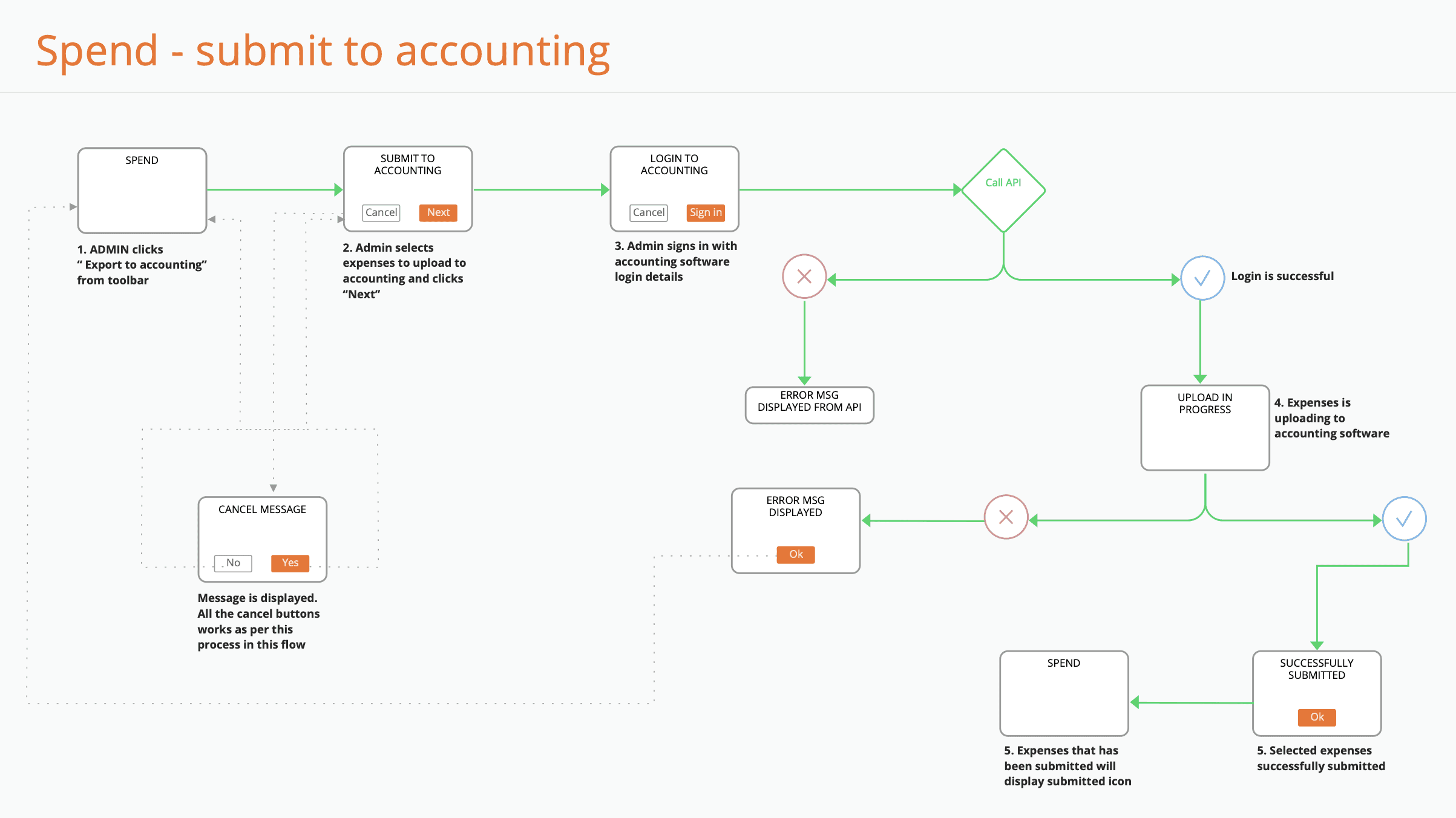
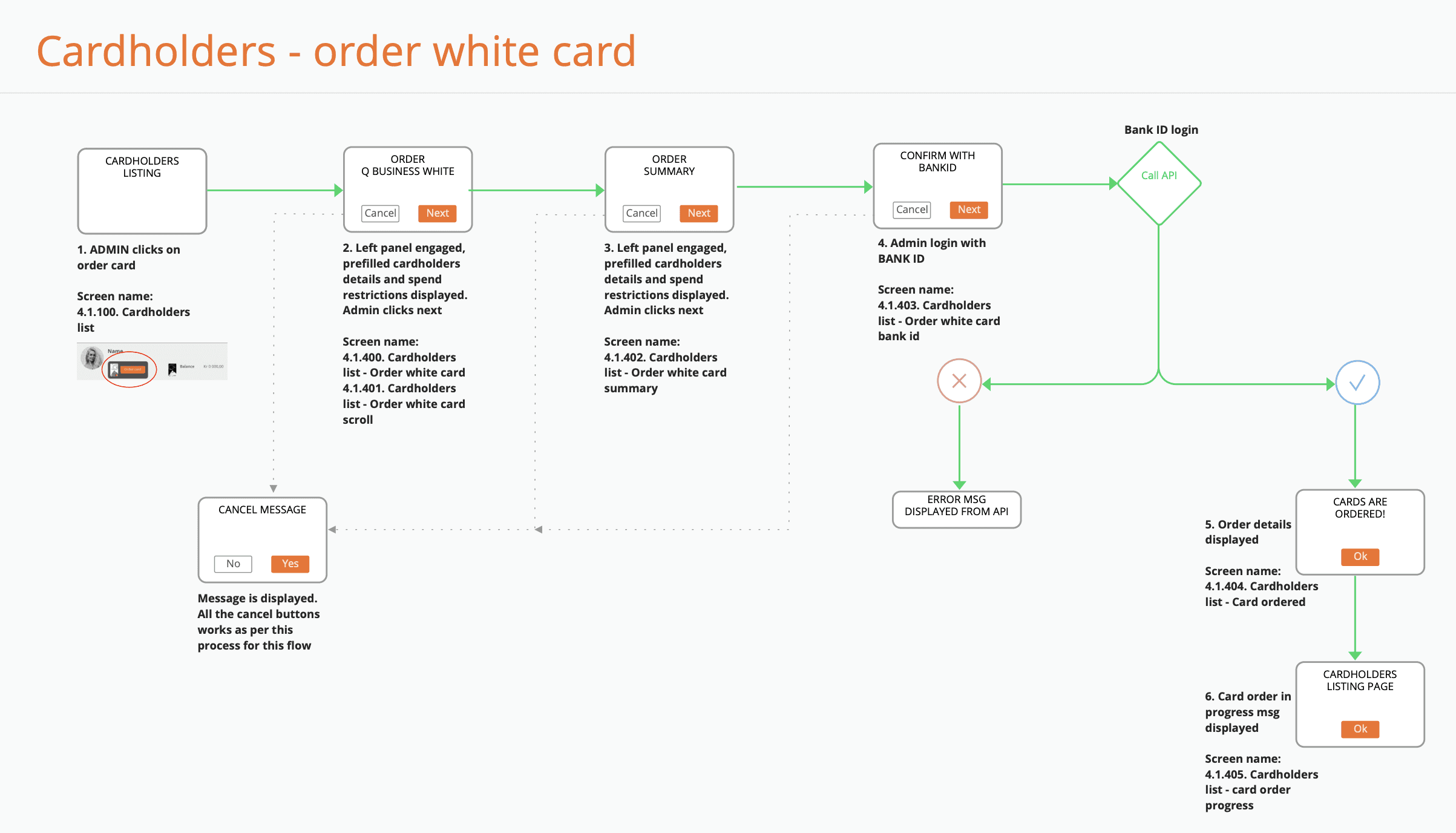
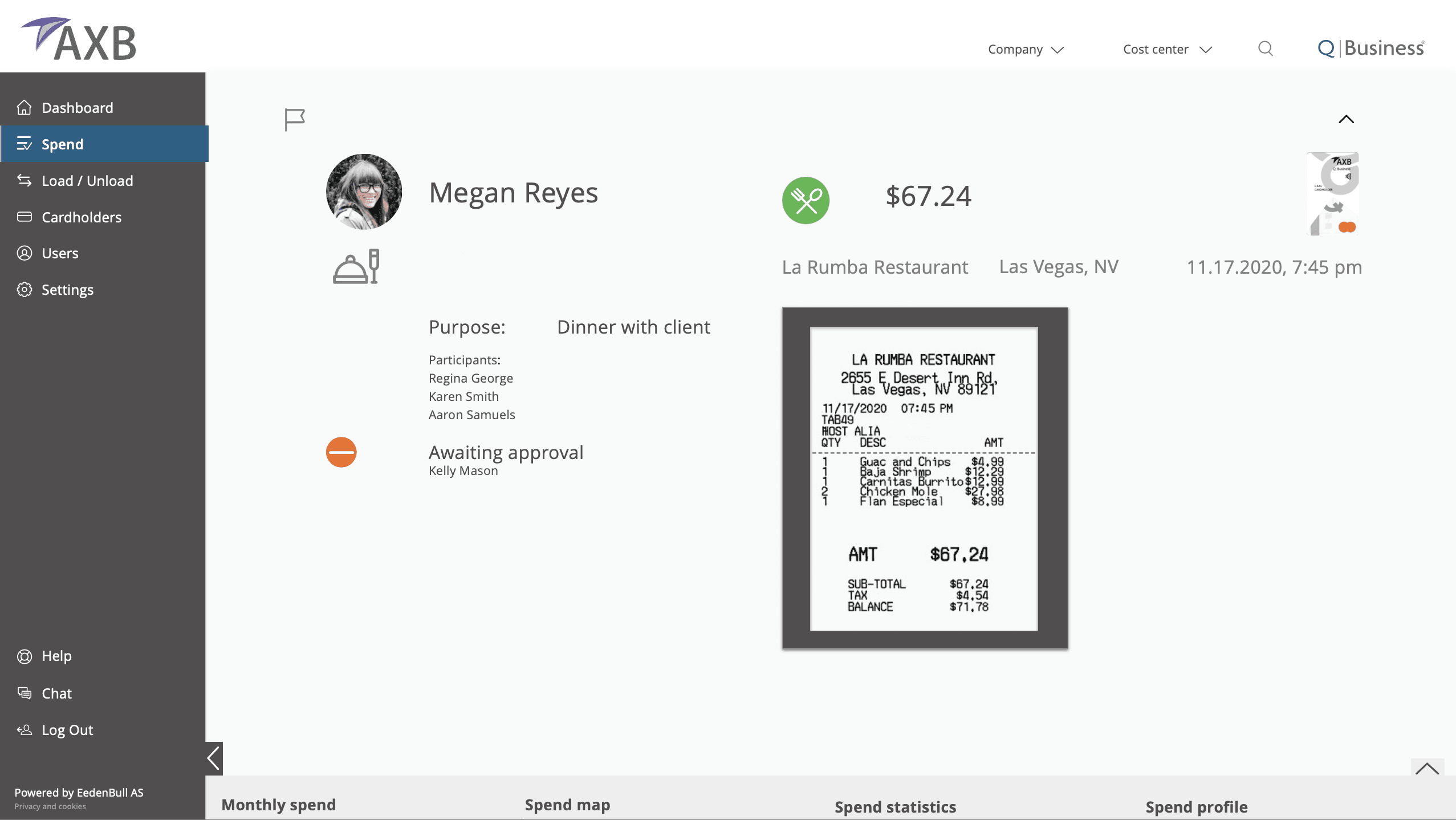
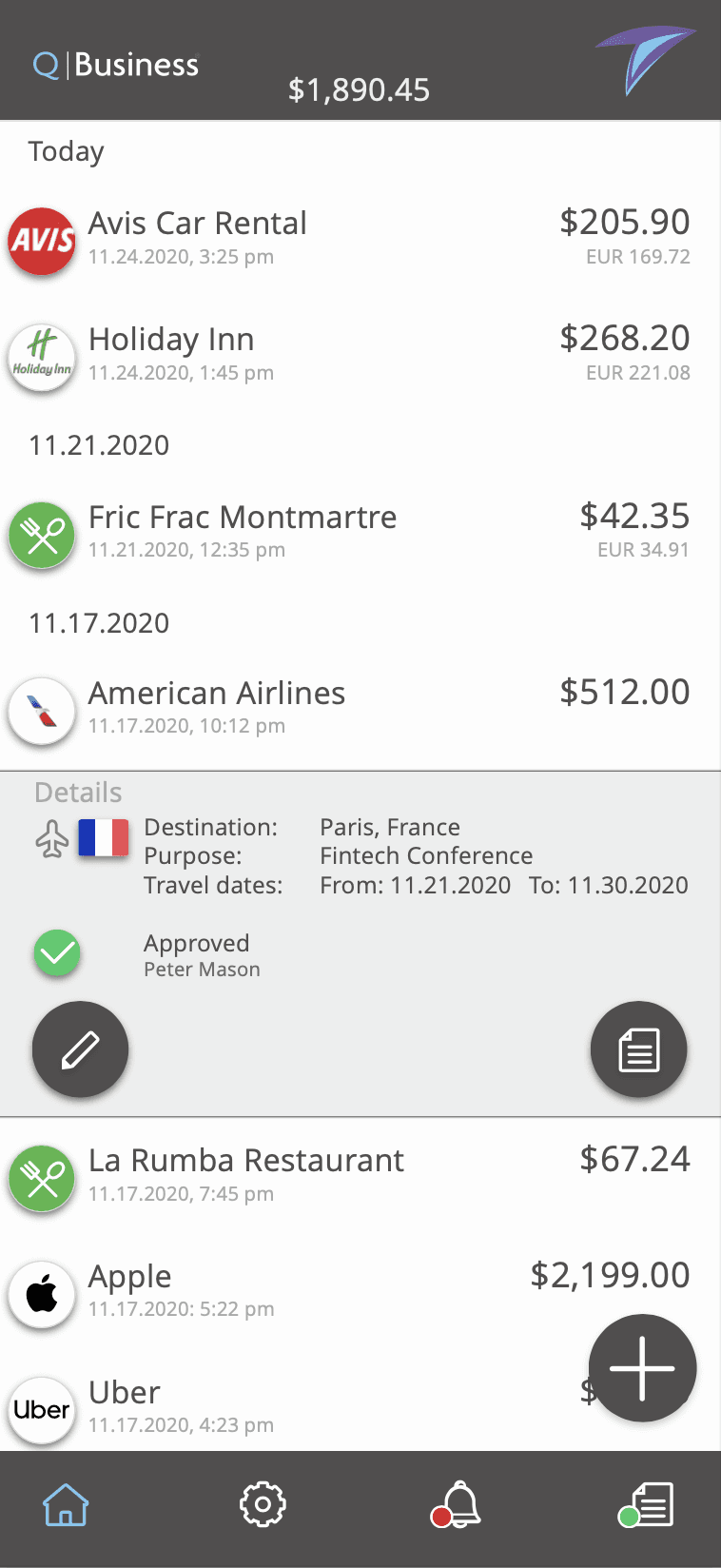
Introduced consistent approval flows and clear status states across the system.
👉 Improves reliability and reduces errors.
Introduced consistent approval flows and clear status states across the system.
👉 Improves reliability and reduces errors.
📦 Outcome
Improved visibility into employee spending and approval states for employers and finance teams
Reduced reliance on manual tracking and reconciliation across distributed teams
Enabled more consistent oversight and control of expenses
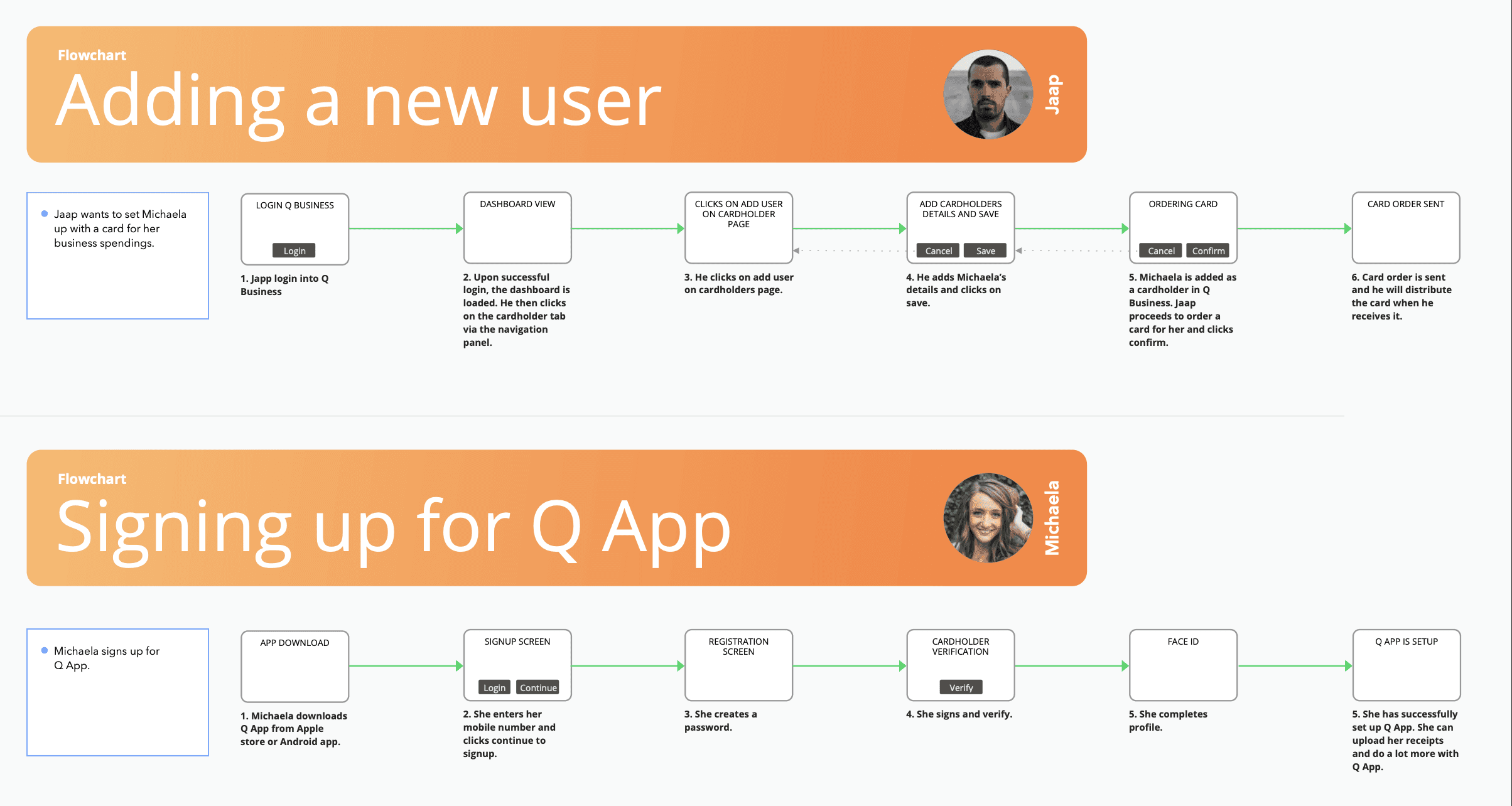
Introduced structured workflows for employees submitting and managers approving expenses
Improved visibility into employee spending and approval states for employers and finance teams
Reduced reliance on manual tracking and reconciliation across distributed teams
Enabled more consistent oversight and control of expenses
Introduced structured workflows for employees submitting and managers approving expenses
Other UX Case Studies

© 2026 · Built on Framer · Optimised for Web
© 2026 · Built on Framer · Optimised for Web